
Jaipur's prime neighborhoods like JLN Marg (295.6% value surge) and Manchwa (233.3%) dominate real estate growth, driven by modern infrastructure and economic expansion. This analysis explores key drivers, emerging investment hotspots, and market trends shaping the Pink City’s property boom.

Non-Resident Indians have propelled a 35% surge in Coimbatore's housing demand, attracted by strategic infrastructure growth and affordable property prices.

Ahmedabad’s emergence as a financial powerhouse is driven by GIFT City’s expansion and innovative infrastructure. With smart urban planning, robust RERA compliance, and riverfront developments, the city attracts mixed-use projects, high-value properties, and global investments, cementing its place as India’s premier real estate destination.

Despite economic pressures and rising luxury inventory, Mumbai’s real estate sector remains resilient in 2025. Infrastructure development, steady price growth, and high demand for affordable homes drive sustained investor interest, reinforcing its position as India’s prime property market. Buyers and developers adapt to new trends, including fractional ownership and REITs, while emerging...

Rajkot Municipal Corporation approves ₹144 crore infrastructure projects focusing on fire stations, smart city tech, road upgrades, and water utilities to enhance urban living standards.
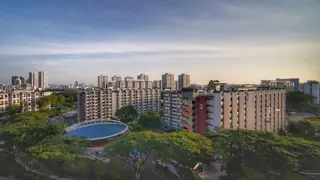
Ongoing infrastructure development and proximity to commercial hubs have transformed OMR and ECR into Chennai’s fastest-growing residential corridors, attracting demand for affordable luxury villas, plotted developments, and integrated townships while maintaining price stability and steady sales growth.
Premium areas like Gomti Nagar and Hazratganj see 8-12% annual price growth. 2BHKs range from ₹65-80 lakh, 3BHKs up to ₹1.2 crore. IT professionals and investors drive demand amid infrastructure development and economic expansion.
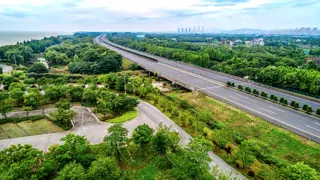
Mysore Road witnesses historic land price surge in 2025, with annual appreciation rates reaching 12–18% due to improved connectivity via the Bangalore-Mysore Expressway and metro expansions, driving demand for residential plots and commercial developments.
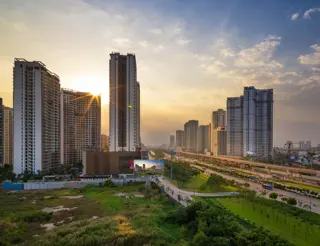
SOBHA Limited expands into Greater Noida with premium residential projects, aligning with Film City, tech parks, and expressway expansions. Property prices have doubled since 2020 driven by smart city initiatives and enhanced connectivity.

Analysts predict significant capital growth in Noida's key corridors post-2025. Strategic areas along expressways could see 25–40% price hikes as infrastructure projects near completion, offering early investors prime opportunities. Investors advised to prioritize early-stage developments in targeted zones for maximized returns.
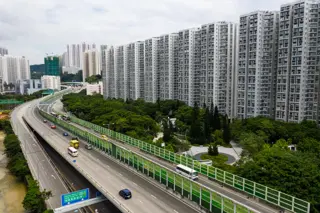
New Chandigarh’s 2025 infrastructure projects, including PR 4 Road upgrades and railway station modernization, enhance connectivity to Chandigarh, driving commercial and residential investment.

Chennai's real estate sector achieved a historic milestone with 27,440 property documents registered in one day, generating a record revenue of ₹273 crore. This surpasses the previous peak and highlights the city’s thriving property market driven by auspicious days, infrastructure growth, and efficient registration processes. Key factors include cultural influence, streamlined government.

Infrastructure developments including the operational Mopa Airport and Smart City initiatives have intensified demand for plots in North Goa’s premium areas like Porvorim, Candolim, and Anjuna. Prices in these locales now average ₹20,000 per square meter, with forecasts predicting 15–20% appreciation within five years due to enhanced connectivity and urban infrastructure upgrades.
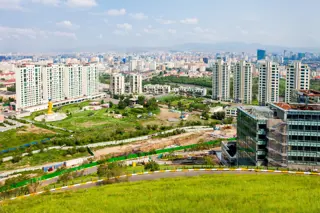
Rising demand for 2 BHK flats in Lucknow's emerging neighborhoods like Alambagh and Indira Nagar, offering affordable luxury housing with strong investment potential in infrastructure-driven markets.
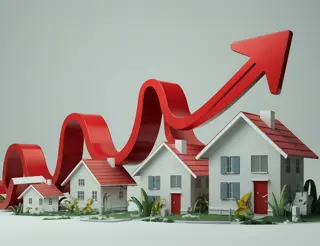
Lucknow's residential sector bucks national trend, recording a 25% rise in sales (1,301 units) and 48% value jump to ₹1,797 crore in Q1 2025, driven by infrastructure upgrades and employment growth.
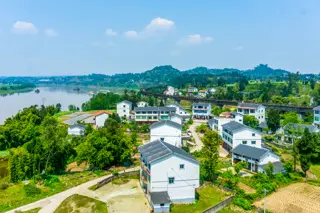
Bengaluru-based Sattva Group announces ₹800 crore investment in South Goa's residential market, targeting luxury plots and gated communities amid growing demand and improved infrastructure.
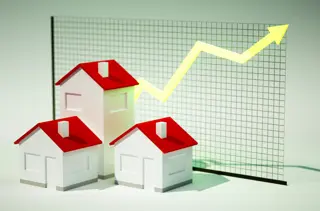
Mohali's residential real estate market shows robust growth driven by infrastructure upgrades and strategic development, defying global downturns with rising demand and high ROI through IT hubs, smart cities, and luxury housing projects.

Raipur's major real estate conference, the Hamar Chhattisgarh Realtors Meet 2025, brought industry leaders together on July 4 to explore evolving trends, investment potential, and infrastructure-driven market growth, fostering collaboration between national and local stakeholders.
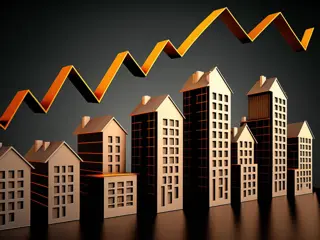
Madurai is emerging as a key real estate hub in South India, driven by infrastructure upgrades, strategic land acquisitions, and growing interest in plotted developments. Despite national downturns, SKT Realtor reports sustained investor demand in both residential and commercial sectors, supported by affordability and economic growth.
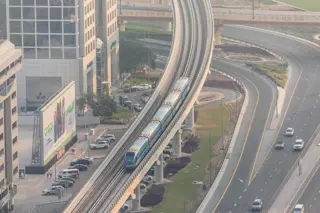
Noida's prime sectors, including 150 and 62, see 5-7% annual price growth driven by metro connectivity, expressways, and IT hubs. Prices hit ₹7,000-12,000/sq.ft., with Jewar Airport and Film City projects spurring further growth. Rental demand surges in key corridors.
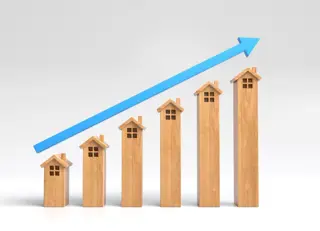
Ghaziabad's NH24 corridor has seen 15-20% annual property price growth since 2020, driven by affordable entry points in Siddharth Vihar and Raj Nagar Extension, supported by upgraded infrastructure and developer confidence, making it a hotspot for middle-class buyers and investors in the NCR.
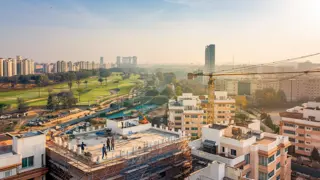
Noida Authority's new redevelopment policy offers homeowners larger apartments without extra charges, targeting sectors like 19 and 22 for urban renewal.
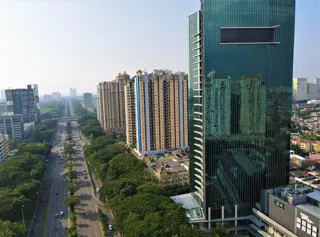
Gurgaon’s commercial real estate market sees rising 5-7% rental yields driven by post-pandemic demand, metro expansions, and NRI interest in high-growth sectors like offices and co-living spaces.

New Chandigarh's land prices have surged by 76%, driven by infrastructure development, strategic location, and eco-friendly initiatives, creating lucrative opportunities for residential and commercial investors.
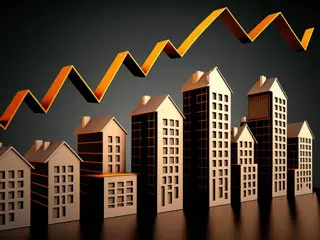
Mohali's real estate market experiences 9.9% YoY price surge, reaching ₹7,239/sqft. Prime sectors 79 & 85 deliver 80% appreciation since 2022, driven by infrastructure upgrades and IT sector expansion.