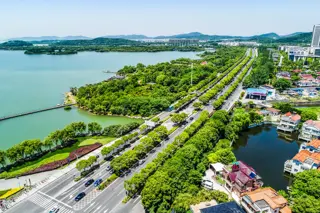
Major infrastructure projects worth Rs 149 crore and new connectivity developments are positioning South Goa as an attractive real estate investment destination.
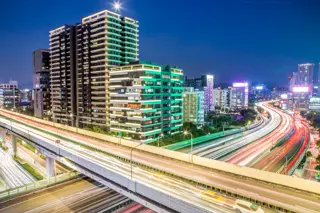
Bhopal's real estate market transforms into a lucrative investment hub through Smart City initiatives, offering 8-10% annual returns and affordable entry prices in 2025.

Bhumesh Realtors capitalizes on Nagpur's infrastructure boom driven by MIHAN airport and Metro expansion, establishing the city as a premier investment destination for growth.
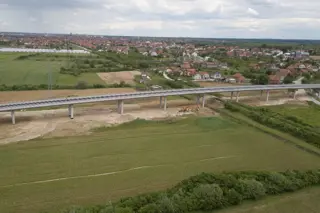
The Cabinet Committee on Economic Affairs has approved a major ₹2,157 crore highway infrastructure project connecting Marakkanam to Puducherry, boosting real estate growth prospects.
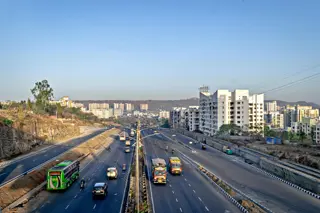
Infrastructure upgrades along Bailey Road and cost-effective Danapur warehouse solutions are driving significant commercial property investments in Patna's expanding market.
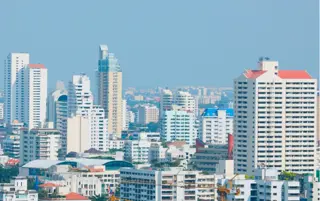
CBRE-CII report reveals Bengaluru, Chennai, and Hyderabad driving Southern India's real estate growth through tech expansion and strong investor demand across multiple sectors.
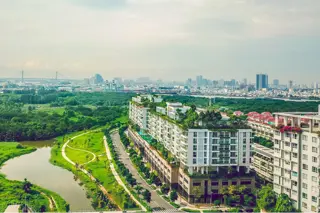
Pune's real estate witnesses dramatic shift as ₹70L-2Cr homes surge to 40% market share from 13% in 2021, while sub-₹45L segment drops to 35% from 55%.
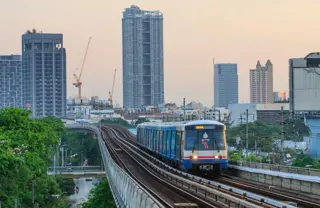
Ongoing Kochi Metro Phase II development boosts property values in established neighborhoods, with prime localities experiencing unprecedented price growth in 2025.
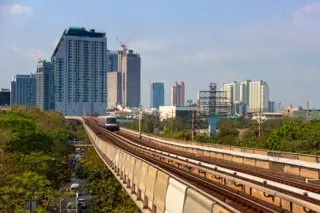
Trichy's expanding metro rail, bus terminals, and connectivity infrastructure drives unprecedented demand for plotted developments and mixed-use township projects across key growth corridors.
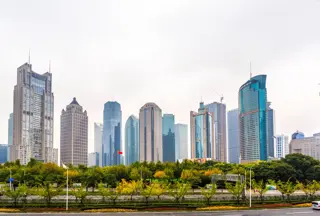
Sobha notes rising demand in prime sectors with infrastructure growth driving exceptional rental yields and investment returns in Gurgaon's evolving market.

The Patna Metro's August 2025 launch will significantly increase property values near five key stations, transforming urban connectivity and real estate investment opportunities.

Surat's Outer Ring Road Phase 2 postponement stalls real estate growth as Nikunj Gajera urges CM action. Bhimrad and Pal face price stagnation and rental yield risks due to critical infrastructure bottleneck.
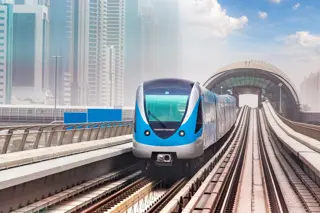
Ghaziabad's Raj Nagar Extension and Siddharth Vihar experience 30-67% property price hikes due to RRTS connectivity, attracting investors and driving urban expansion.

Zirakpur’s PR-7 Airport Road development boosts residential access to Chandigarh, driving property value surges and investment opportunities in Tricity’s emerging real estate hotspot through improved connectivity and infrastructure.
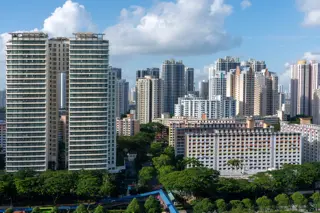
The completion of the Mumbai Trans Harbour Link and the 57% progress of Navi Mumbai International Airport are revolutionizing connectivity, sparking real estate growth in Navi Mumbai's suburbs.

Faridabad's ongoing smart city projects, coupled with major expressway and RRTS connectivity, are boosting real estate demand through enhanced livability and investor confidence.

Trivandrum's real estate market surges in 2025, driven by IT growth, affordable housing, NRI investments, and infrastructure projects. Discover emerging trends, market dynamics, and investment opportunities in Kerala's capital.

Kozhikode's prime locations like Mavoor Road and West Hill are experiencing 6-8% annual price appreciation driven by improved infrastructure and proximity to key hubs. Average property prices range from ₹3,800 to ₹6,000/sq ft, with premium areas commanding higher rates due to demand for luxury amenities.

Pune retains its affordability edge in Indian metros with average home prices at ₹75L, contrasting Mumbai’s ₹2.26Cr and Hyderabad’s ₹1.84Cr, driven by strategic infrastructure investments and robust warehousing growth despite recent sticker shock in smaller apartments.

Coimbatore’s upscale neighborhoods RS Puram and Saibaba Colony are experiencing sustained demand, driven by infrastructure improvements and proximity to modern amenities, attracting high-income buyers to premium developments.

Patna’s real estate landscape is evolving as homebuyers prioritize eco-friendly features like solar panels and smart automation, driving demand for energy-efficient, tech-integrated homes that align with global sustainability trends and enhance property value.

Kharadi drives Pune's commercial and residential real estate expansion in 2025 with IT corridors, upgraded infrastructure and strong rental demand. Prices range ₹8,000-12,700/sq.ft., attracting homebuyers and investors to this eastern suburb hotspot.

Madurai’s real estate growth accelerates through expanded infrastructure, DTCP plots, and smart city initiatives. TIDEL IT Park, Vande Bharat connectivity, and arterial roads boost mixed-use projects, positioning the city as South India’s top investment hotspot.
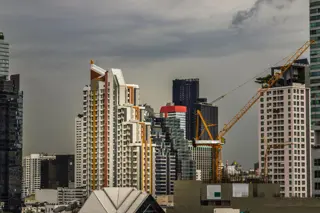
Thane's real estate market shifts toward under-construction projects offering premium amenities at lower costs than Mumbai, driven by demand for affordable 2BHKs and improved infrastructure.

Noida Authority’s co-developer policy enables financially stable builders to take over stalled projects by resolving legal disputes and paying 25% dues upfront, promising faster delivery and risk reduction for homebuyers while aiding authorities and banks in debt recovery.