
The Mangaluru Urban Development Authority is pushing forward with new residential projects in three key areas. Konaje's layout nears completion by November 2025, with limited bookings so far. This initiative promises more housing options and uses revenue to fuel further developments in the region.

Mangalore's property scene shifts dramatically with high-rise towers like Bhandary Vertica and Yamuna Sky City leading the charge. Driven by city growth, more people, better infrastructure such as airport upgrades, and new lifestyle demands, these projects redefine luxury living in the coastal city.

Jewar International Airport's rapid construction is fueling explosive real estate demand in Greater Noida, Yamuna Expressway, and Noida Extension. Apartment prices have jumped 158% since 2020, per ANAROCK data, with 38,010 units launched from 2022 to Q3 2025. Investors nationwide are rushing in for gains before full operations begin.

The advancing PR-7 Airport Road and PR-5 developments are reshaping Mohali and Zirakpur's real estate scene. Enhanced connectivity unlocks vast potential for residential and commercial projects, drawing keen investor interest and sparking numerous new launches in the region.

Ranchi is experiencing a significant infrastructure upgrade with the completion of key flyovers like Kantatoli, Mecon-Siram Toli, and Ratu Road, alongside progress on extensive ring roads. These developments aim to enhance connectivity, reduce congestion, and boost real estate appeal in the city.

In August 2025, Pune saw 13,253 property registrations, a 3% drop from last year. Experts blame economic shifts and buyer changes but stay positive, pointing to infrastructure growth and strong jobs as recovery drivers. This resilience highlights the city's enduring appeal in India's real estate landscape.

The Union Civil Aviation Minister has announced the inauguration of Noida International Airport on October 30, 2025, with flights starting soon after. This development promises a major lift to property markets in Greater Noida and nearby areas.

ACE Group has achieved an impressive cumulative sales figure of ₹5,000 crore in residential and commercial properties along the Yamuna Expressway corridor. This milestone includes diverse projects such as plotted developments, integrated townships, apartments, and commercial spaces, highlighting the group's strong market presence.

Under-construction premium homes in Mumbai have surged 20-30% in price year-on-year in 2025, driven by infrastructure developments like the Coastal Road. This growth outpaces completed projects, attracting elite buyers and NRIs to ultra-luxury residences in areas such as Worli and Prabhadevi.

NMIAL secures 405 ready-to-move-in flats at Wadhwa Wise City for airport personnel from October 2025, addressing housing demand ahead of September 30 airport launch. Strategic Panvel location offers 20-minute connectivity and robust infrastructure.

Union Minister Khattar and CM Saini inaugurated Gurugram's landmark metro line, triggering immediate property value surges. Expect 20-25% appreciation near stations across Dwarka Expressway, Old Gurgaon, and Cyber City within two years as construction accelerates.

Ludhiana's Smart City Mission has deployed Rs 959.25 crore across key infrastructure projects, causing 15-25% property value spikes in West Assembly areas through airport development, railway upgrades, and 24/7 water supply.

Knight Frank's Q2 2025 Prime Global Cities Index places Bengaluru 4th globally with 10.2% annual prime property growth, surpassing Mumbai and Delhi. Tech wealth creation and constrained luxury inventory drive this outperformance against a global average of 2.3% growth.
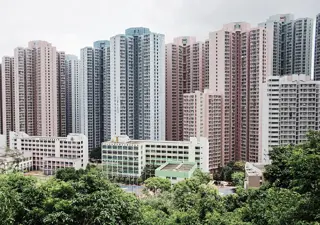
Gurgaon drives 91% of Delhi NCR's luxury housing growth in H1 2025 with 9% YoY sales rise, fueled by NRI investments, infrastructure upgrades, and 29% price appreciation in key corridors like Dwarka Expressway.

Chennai's housing market surged 24% QoQ with 5,660 units sold in Q2 2025, defying a 20% national sales decline. Strong infrastructure growth, mid-segment dominance, and RERA compliance drive resilience as other metros face correction pressures amid geopolitical tensions.

HMDA's post-hiatus land auction saw zero sales across 93 plots in Rangareddy districts. Sky-high upset prices (₹35k-₹1.75L/sq yd) deterred bidders, signaling market strain amid Telangana's revenue targets.

September 2025 sees Noida's commercial real estate sector thriving with record investments in office and retail properties. Infrastructure upgrades and strategic location drive demand for Grade A spaces, positioning Noida as a top investment destination with high growth potential for investors.

NMIA's inauguration moves to Sept 30, 2025, despite infrastructure gaps. Real estate market surges in Navi Mumbai, but metro and road delays pose challenges. Experts predict short-term property price spikes with long-term growth potential.
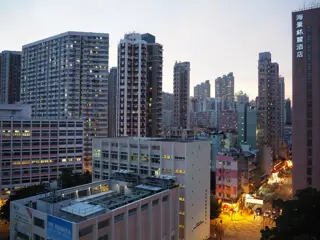
Navi Mumbai's real estate landscape is transforming rapidly with Ulwe, Panvel, Kharghar Extension, Taloja, and Dronagiri emerging as top investment zones for 2025. Driven by metro connectivity, airport proximity, and infrastructure projects, these areas offer 10-18% annual growth potential.

Despite Rs 140 crore budget and high property tax collection, Zirakpur struggles with poor infrastructure, raising questions about fund utilization and accountability.

Madhya Pradesh's Urban Transformation Summit 2025 in Bhopal unveils visionary infrastructure plans including metro expansion, smart cities, and 10 lakh affordable homes to accelerate the state's trillion-dollar economy roadmap through sustainable urban growth strategies.

Thane Metro Line 4 trial runs commence on 10.3 km corridor, signaling December 2025 commercial launch. Set to transform commuting, boost property values, and connect Thane to Mumbai with 21 lakh daily riders by 2027.
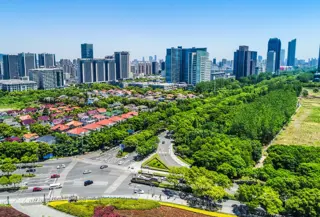
Odisha's cabinet approved an 800-acre New City project near Bhubaneswar with Rs 8,179 crore investment, featuring Singapore-planned infrastructure, MICE facilities, and transit-oriented development to boost housing and commercial growth by 2036.

Real estate developers position Bhopal as emerging investment hub, highlighting infrastructure transformation, metro connectivity, and economic corridors driving property demand.

CREDAI Trichy urges state government to expedite Master Plan 2041 release, citing delays that hinder new project planning as infrastructure developments boost property demand.