
New Delhi's central business districts like Connaught Place, Nehru Place, and ITO report a 12% year-on-year surge in office rentals to Rs 1.25 lakh per sq ft annually, driven by GCC expansions, outperforming NCR's 9% average, as per Knight Frank and JLL.

State-owned NBCC has partnered with HUDCO for ₹117 crore worth of projects, focusing on redeveloping land in Panchkula, Haryana, plus sites in Ghaziabad, Ahmedabad, and Delhi. This collaboration aims to boost urban infrastructure on a turnkey basis.
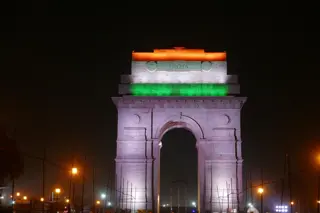
Kusum Ansal sells iconic Lutyens' Delhi bungalow to Gujarat-based Yatah Enterprises for ₹241 crore, setting India's real estate price record at ₹2L/sq ft with ₹17.56 crore in taxes.

India's Small and Medium Real Estate Investment Trusts (SM REITs) market is booming, projected to reach $60 billion by 2026. Key cities like Mumbai and Delhi are driving growth, offering stable returns and attracting investors.
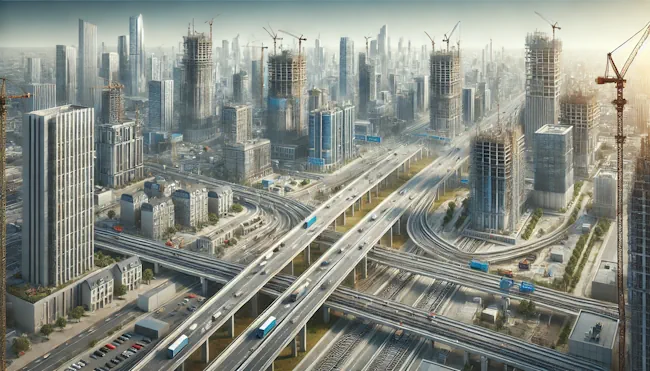
The Delhi-Alwar RRTS, a 164 km rapid transit system, is under construction to link Delhi with nearby cities. It aims to significantly reduce travel time and enhance connectivity.
The Delhi-Amritsar-Katra Expressway, connecting key religious sites, is set to open by December 2025. This 670 km expressway will significantly reduce travel time and boost tourism and real estate in the region.
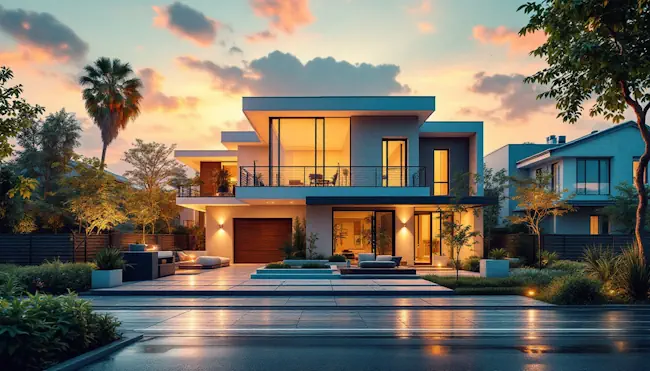
Delhi's skyline transformation is fueled by luxury high-rise apartments, driven by renowned developers responding to rising demand for modern amenities and increasing population density.
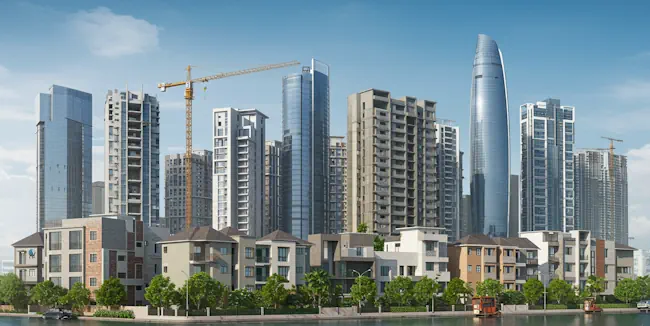
Construction and real estate hiring in India surged 86% between March 2023 and 2024, with Delhi, Bangalore, and Mumbai leading the demand, according to Indeed.
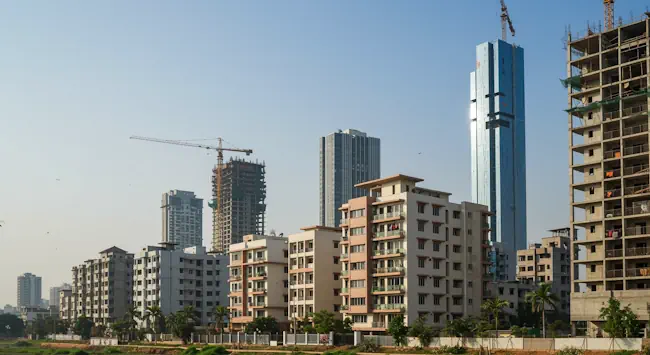
The construction and real estate sector witnessed an 86% surge in employment between March 2023-24, with Delhi, Bengaluru, and Mumbai leading hiring activity.

Indian home prices are projected to rise by 7% this year and next, driven by luxury real estate demand. The affordable housing gap remains a concern despite interest rate hikes by the Reserve Bank of India.

Pawan Bhadana, renowned real estate tycoon, was found dead in his Noida home, sparking discussions on mental health support within high-stress industries.
Delhi MCD extends property tax geotagging deadline to Feb 29, 2024. Residents can get a 10% tax rebate for self-geotagging before the deadline. This initiative aims to improve urban planning and revenue collection.

Delhi's air quality crisis has led to a ban on non-essential construction in the NCR. This decision impacts ongoing projects and vehicle regulations amidst severe pollution levels.
Prime Minister Modi inaugurated Yashobhoomi, India's largest convention center, in Dwarka, Delhi, aiming to boost the nation's conference tourism and real estate.
Due to worsening air quality, Delhi has enacted GRAP-3, banning non-essential construction. This action may significantly delay the 4.5 lakh residential units under construction in Delhi NCR.
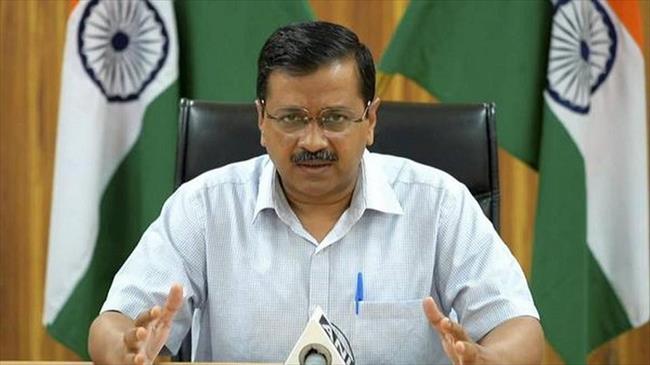
The Delhi Government has cut circle rates by 20% across all property categories for six months to stimulate the struggling real estate market post-pandemic.
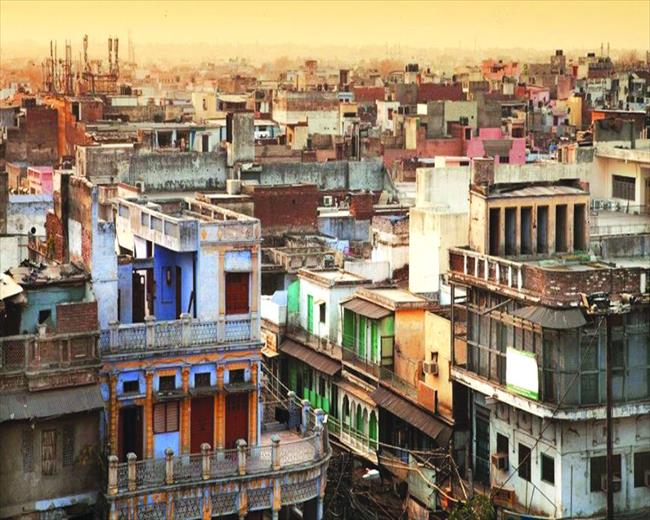
Housing Ministry hands over conveyance deeds to 20 Delhi residents in Raja Vihar & Suraj Park, under PM-UDAY scheme, benefiting 40 lakh residents by regularizing illicit settlements.
Bangalore surpasses Mumbai as India's most expensive city, according to RBI's CPI. High living costs attributed to the IT industry and inflated prices of essential goods.
India's affordable housing schemes gain infrastructural status, boosting demand and lowering costs for builders and homebuyers alike.
Noida's real estate market is booming due to affordability, infrastructure, reputable developers, anti-forgery rules, and connectivity.
The new Union bill enhances transparency in Greater Noida's real estate, empowering homebuyers while addressing builders' concerns amidst rising demand for affordable housing.
The Urban Development Ministry has greenlit Rs 658 crore for five key infrastructure projects in Delhi, including a significant flyover and an underpass near IGI Airport.
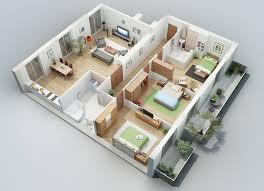
SDMC approves 180 building plans in 2 months after digitizing and simplifying the approval process, leading to increased rule compliance and reduced corruption.
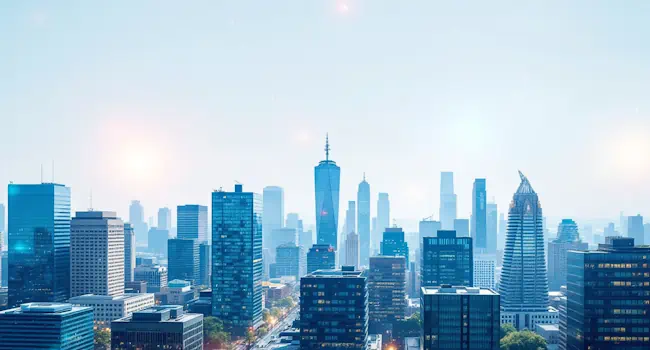
Connaught Place in Delhi slips to the 7th most expensive office market globally, according to CBRE. Hong Kong retains the top spot in the rankings.
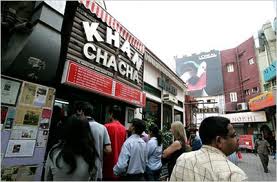
Khan Market in Delhi is now India's priciest retail space, with low rental growth, lagging behind Mumbai's Linking Road, as retail demand remains stable.