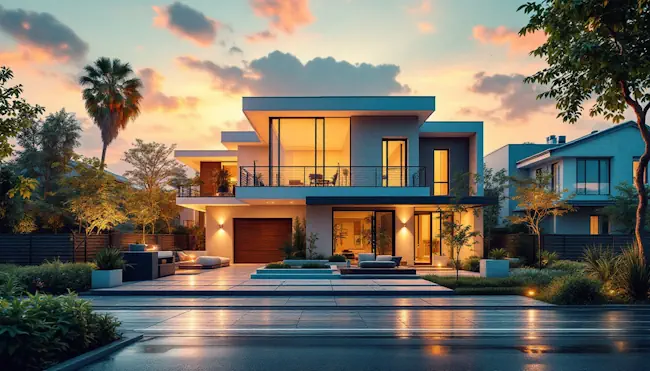
The return-to-work trend has fueled rental demand in Bengaluru, prompting the introduction of a zero-deposit rental scheme to ease tenant burden amid soaring rents.
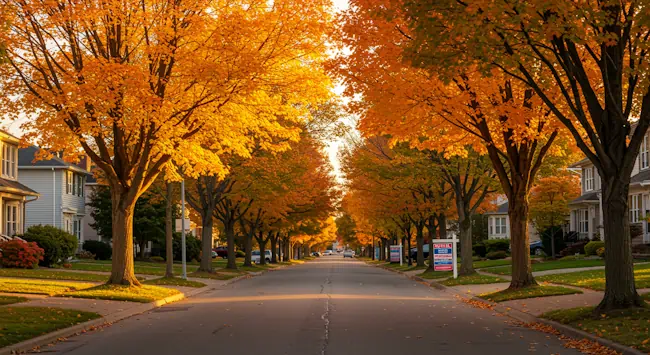
Mumbai saw 11,504 property registrations in April 2024, generating over INR 1,043 crore in revenue. Real estate developers are optimistic about growth, citing increased demand and infrastructure projects.
Kashmir's real estate sector faces turmoil with declining demand, increasing sellers, and falling property prices due to economic uncertainties.
Offbeat real estate destinations like Sonipat, Bhiwadi, and Panchkula are gaining traction due to their blend of affordability, lifestyle amenities, and infrastructure developments.
Duplex and triplex homes are the new trend in Mumbai, particularly among luxury homebuyers seeking larger properties. Vertical living is gaining popularity over horizontal spreads.
Luxury residences in Gurgaon's DLF Golf Links and DLF 5, such as The Camellias, The Magnolia, and The Aralias, have seen a significant price increase of 125 percent between 2021 and 2024, driven by rising demand for luxury living and investment opportunities.
India's luxury housing market saw a 10% YoY sales surge in Q1 2024, with Mumbai leading the demand. Driven by rising incomes and spending power, the segment is poised for continued growth.
Mumbai's real estate market saw a 9% increase in property registrations and a 16% increase in stamp duty collections in April 2024, with millennials making up 37% of buyers.
Indian home prices are projected to increase by 4-6% this year, driven by rising incomes. CRISIL Ratings anticipates interest rate cuts to spur housing demand and sales.

India's ultra-rich are investing more in residential real estate, with 32% of their portfolio allocated to this sector, showing a shift in preferences and a growing appetite for luxury homes.
NRIs contribute to 15% of Bengaluru's housing sales, mostly from the US, Singapore, UAE, and Australia. They favor 2 & 3BHK units in North and East Bengaluru.
India's real estate market, projected to reach trillions by 2030, needs innovative financing solutions. REITs, despite tweaks, face low investor participation, while substantial capital remains trapped in low-yield fixed deposits.
Delhi-NCR sees 29 land deals covering 314 acres in FY 2024, with residential development driving demand
Amitabh Bachchan purchases a 10,000-square-foot plot in Alibaug for Rs 10 crore. Alibaug is emerging as a popular real estate destination for luxury retreats and investment opportunities.
Pune Sees 30% YoY Increase in Stamp Duty Collections to Rs 804 Crore in March 2024
Mumbai's real estate is transforming with the rise of micro-markets like Dombivali and Thane. These areas offer unique opportunities, catering to specific demographics and lifestyle needs, driven by improved connectivity and infrastructure.
Luxury home sales in India surged by 75% last year, driven by millennial buyers seeking sustainable, aesthetically pleasing spaces, as reflected in recent surveys.
Developers in Maharashtra anticipate increased home sales during Gudi Padwa, providing incentives like discounts and flexible payments. Experts note rising property prices and strong buyer sentiment.
Indian real estate employment has risen from 4 crore in 2013 to 7.1 crore, driven by housing sector growth and government policies like RERA, GST, and PMAY.
India's Q1 2024: 9% rise in home sales, 43% surge in office leasing, driven by global capacity centers, with Mumbai leading residential growth.
In Q1 2024, India's top seven cities recorded over 1.30 lakh homes sold, the highest in a decade, supported by the RBI's decision to maintain a stable repo rate.
Bengaluru's housing sales fell by 2% in Q1 2024, primarily due to a significant drop in affordable housing, while office space demand remained stable.
Connectivity surpasses location as the prime factor in real estate, impacting property values and lifestyles. Access to co-working spaces, transportation, and reliable internet are now crucial for investors and residents.
Residential sales in Bengaluru fell 2% YoY in Q1 2024, while sales of units priced above Rs 1 crore saw a 40% increase across top 8 cities.
Mumbai’s luxury real estate sees a 10% annual price increase, with Delhi-NCR and Bengaluru also showing growth according to Knight Frank’s Prime Global Cities Index.