
Telangana's HMDA expansion to Regional Ring Road and Future City Development Authority launch signal new growth corridors. South Hyderabad and Srisailam Highway regions poised for infrastructure and real estate transformation under HMDA Master Plan 2031.
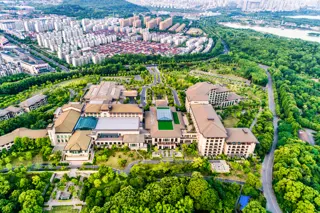
Panchkula's real estate market is undergoing a transformative shift toward mixed-use developments that integrate residential, commercial, and retail spaces, meeting modern demands for convenience and connectivity while reshaping urban living standards.
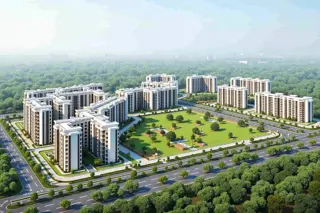
Bengaluru developers shift focus to mega integrated townships, with 2024 projects showing a 25% rise in residential units. Emphasizing work-live-play models, these developments target Sarjapur Road and Whitefield, addressing urban congestion while prioritizing premium amenities and connectivity.

Nainital introduces a comprehensive Smart City plan to enhance infrastructure, connectivity, and living experience through advanced technologies.

GMADA’s upgraded 8.9km PR-4 road, linking Kurali to Mullanpur, nears February 2025 completion. This critical infrastructure project aims to decongest traffic and boost connectivity for New Chandigarh’s real estate market.

Pune's luxury housing market witnesses unprecedented growth with 106% surge in Q1 2025 sales (₹3 crore+ properties), driven by IT sector expansion, HNI population, and infrastructure upgrades. Transaction volumes hit record highs as the city solidifies its position as a prime luxury destination.

The Delhi Development Authority (DDA) has launched an AI-powered property management system, automating allotments, maintenance requests, and real-time resident updates while enhancing transparency and operational efficiency. The platform integrates advanced tools for land management, addressing urban development challenges in India's capital.

Gandhinagar introduces strict green building regulations focusing on energy efficiency, water conservation, and sustainable materials. These norms aim to POSITION the city AS a national benchmark for climate-resilient urban development, leveraging incentives for certification and innovative design.
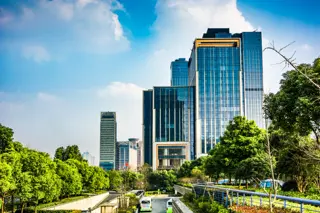
Raipur Development Authority introduces new sustainability regulations requiring energy-efficient designs, green spaces, and resource-efficient systems for buildings exceeding 20,000 sq ft. This move aims to align regional development with India's growing green building landscape, impacting future real estate projects extensively.

Puducherry partners with Survey of India to conduct a large-scale digital drone survey, assigning unique IDs to every land parcel using advanced aerial mapping technology. The initiative aims to modernize land records under the central government's Naksha scheme, enhancing transparency and property management through geospatial data.
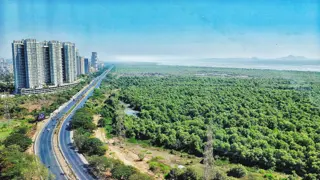
Rajkot's 150ft Ring Road, once envisioned as a traffic solution, now revolutionizes real estate through improved connectivity, sparking new developments and property value appreciation.

The Chandigarh Administration's significant hike in collector rates, effective April 1, 2025, impacts various property types, leading to widespread criticism from traders and property dealers.
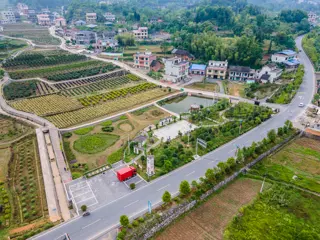
A major developer is launching a new 200-acre integrated township on the Jalandhar-Amritsar Highway. The project, starting in June 2025, will include residential units, commercial spaces, and state-of-the-art amenities, enhancing connectivity and lifestyle in the region.
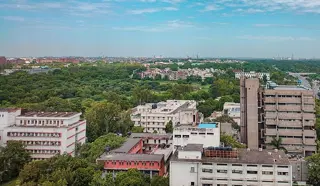
The Delhi Development Authority (DDA) introduces Sabka Ghar Awaas Yojana 2025 to address housing shortages in Delhi, offering 25,000 affordable flats across multiple locations. Geared toward middle-income groups, the scheme includes discounts, financing options, and emphasizes sustainable development, aligning with broader urban infrastructure goals.

Noida International Airport advances toward its revised September 2025 commercial launch, reporting 40% construction completion. The project aims to handle 12 million annual passengers initially, poised to spur residential, commercial, and logistics development across Uttar Pradesh's Jewar sub-region.

The Puducherry government has proposed a 50% hike in the MLA Local Area Development scheme from ₹2 crore to ₹3 crore, focusing on boosting infrastructure, welfare, and educational support in underserved areas.

Puducherry’s ₹1,433 crore PY-SHORE project, seeking World Bank funding, focuses on coastal protection, blue economy growth, and community initiatives through shoreline management, sand nourishment, and hybrid solutions over five years.
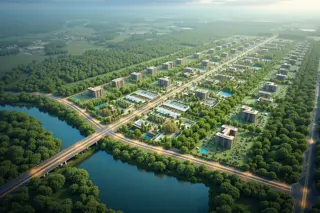
Greater Noida Authority launches India’s inaugural IoT-integrated smart city project across 500 acres, featuring sustainable infrastructure and energy efficiency solutions.

The Greater Mohali Area Development Authority (GMADA) demolished 40 unauthorized under-construction structures in Nayagaon's Karoran village to enforce urban regulations and curb illegal development, emphasizing planned growth in the Mohali region.

Dehradun’s real estate surge is driving ecological damage, loss of green spaces, and rising temperatures. Experts call for sustainable urban planning, heritage conservation, and climate resilience amid rapid development.

Kanchipuram emerges as a strategic affordable housing destination, offering tradition, modernity, and affordability near Chennai.

Jaipur’s expanding infrastructure—metro lines, expressways, and tech corridors—is driving real estate growth. Areas near key projects see rising values, attracting buyers and investors seeking future-ready, high-ROI properties. Enhanced connectivity fosters demand for residential, commercial, and luxury housing, positioning Jaipur as a prime investment hub in India’s housing market.

Bhubaneswar Smart City Limited (BSCL) initiates final-phase development, prioritizing advanced infrastructure, housing rehabilitation, and smart governance to solidify its status as India’s model smart city by 2026.

Gujarat’s planned metro expansion directly linking Gandhinagar’s Sector-1 and GIFT City aims to transform urban connectivity, enhance property values, and boost commercial development along the corridor, with services set to launch in February 2025.

CREDAI Mangalore and SI-8 form a partnership to transform real estate through innovation and sustainability, setting new standards in green building and urban development.