Bengaluru’s Real Estate Evolution: Mega Developments on the Horizon
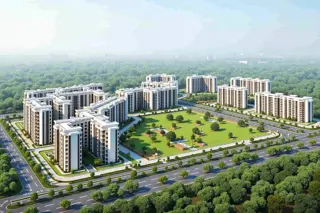 Bengaluru’s real estate scene is changing dramatically, with developers focusing on large-scale integrated townships instead of traditional residential projects. This shift, showing a 25% rise in unit counts for 2024 compared to 2023, highlights a growing demand for comprehensive living spaces that mix residential, commercial, and lifestyle amenities.
Major Projects Shaping Urban Living
Bidadi: The Leading Township
- Covering 8,032 acres across 10 villages in Ramanagara district, this ₹12,150 crore project is led by the Greater Bengaluru Development Authority (GBDA).
- It includes work-live-play zones, logistic parks, and solar energy integration, aiming to reduce congestion in Bengaluru’s central areas.
- Landowners get compensation through land plots, ensuring community buy-in.
Revived Suburban Developments
- Solur and Nandagudi townships, planned alongside Bidadi, bring back a two-decade-old proposal under the BMRDA’s guidance.
- Coordination with Namma Metro to boost connectivity and integration with Bengaluru’s transit networks.
Reasons Behind the Move to Integrated Townships
Developers are motivated by three key factors:
- Infrastructure Challenges: Increasing congestion in Bengaluru’s metro areas has heightened demand for self-contained communities.
- Premium Amenities: Modern buyers value proximity to schools, hospitals, offices, and recreational areas.
- Regulatory Support: Government backing through bodies like BMRDA and GBDA streamlines land acquisition and planning.
Emerging Location Trends
While Bidadi, Solur, and Nandagudi lead the first wave of developments, Sarjapur Road and Whitefield are emerging as future hotspots:
| Location | Key Drivers |
|---|---|
| Sarjapur Road | IT hubs, proximity to Electronic City |
| Whitefield | Tech corridors, established infrastructure |
These areas use existing commercial ecosystems to attract homeowners seeking convenience and connectivity.
Future Outlook and Expectations
The five-year completion timeline for Bidadi’s township indicates a phased approach to scaling infrastructure. Long-term plans may include:
- Smart City Integration: Solar energy adoption and IoT-driven management systems.
- Expansion to Peripheral Zones: Targeting locales beyond current projects, balancing affordability and accessibility.
- Government Partnerships: Enhanced collaboration with agencies like BWSSB for sustainable water management.
Bengaluru’s move toward mega townships isn’t just about scaling; it’s a strategic shift toward livability, sustainability, and equitable growth. As developers adopt this model, the city’s real estate market may set precedents for urban development across India.