
Despite Rs 140 crore budget and high property tax collection, Zirakpur struggles with poor infrastructure, raising questions about fund utilization and accountability.

CREDAI Trichy urges state government to expedite Master Plan 2041 release, citing delays that hinder new project planning as infrastructure developments boost property demand.

Government-led infrastructure initiatives including $190 million metro expansion and smart city redevelopment projects are transforming Indore's urban landscape in 2025.
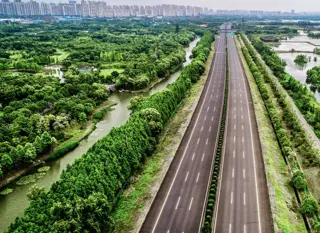
The newly opened Mohali Ambala Greenfield Expressway transforms connectivity and boosts real estate prospects across the region with its modern infrastructure.

Indore's real estate sector faces uncertainty as the delayed master plan stalls infrastructure approvals and residential projects, disrupting investment strategies.

Bhubaneswar Municipal Corporation launches drive urging property owners and developers to transfer internal roads to civic body for better infrastructure management and urban development.

MUDA sanctions multiple residential layouts while implementing digital systems to enhance transparency and streamline property processes for Mysuru residents.

Chief Minister Fadnavis announces massive 'Third Mumbai' development in Raigad district featuring international universities, innovation hubs, and quantum computing research facilities.
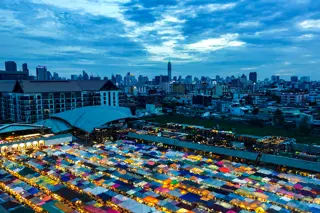
Mumbai-based Rustomjee Group explores two joint development proposals for 100-acre township projects in Pune, marking expansion beyond Mumbai Metropolitan Region next year.
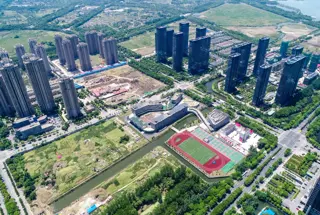
East Fort Thrissur experiences remarkable growth in mixed-use developments as projects combining residential, retail, and office spaces gain momentum, meeting diverse urban living needs.

Chief Minister Mohan Yadav invites real estate investments in MP with assured utilities, approving ₹3,562 crore for infrastructure projects and housing support for 65,000+ beneficiaries.
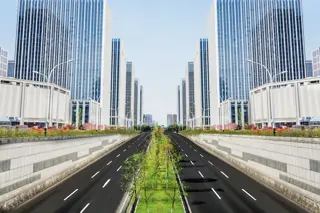
Government sanctions seven townships along Delhi-Jaipur Expressway, promising major real estate boom. The 195km corridor will transform urban development between two cities.
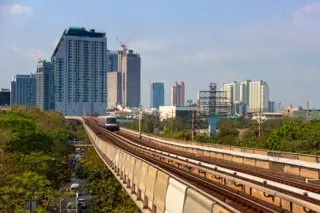
Trichy's expanding metro rail, bus terminals, and connectivity infrastructure drives unprecedented demand for plotted developments and mixed-use township projects across key growth corridors.

The Patna Metro's August 2025 launch will significantly increase property values near five key stations, transforming urban connectivity and real estate investment opportunities.

Surat's Outer Ring Road Phase 2 postponement stalls real estate growth as Nikunj Gajera urges CM action. Bhimrad and Pal face price stagnation and rental yield risks due to critical infrastructure bottleneck.
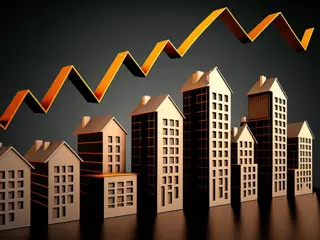
Navi Mumbai records India's highest property price growth at 17.4% in Q1 2025, driven by infrastructure expansion and economic opportunities, outperforming metro hubs.
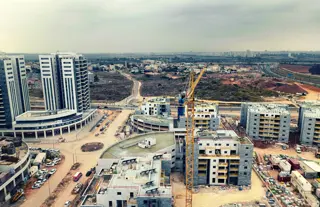
Thane’s real estate booms as ₹59,000 crore infrastructure projects fuel 46% price growth, boosted by metro expansions and elevated corridors, with 2BHKs leading new supply
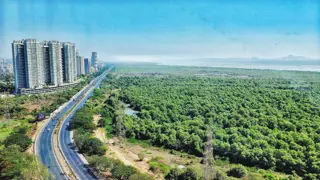
New Chandigarh’s rapid rise as a residential hotspot is propelled by significant infrastructure enhancements, improved connectivity, and eco-friendly developments attracting robust investor and buyer interest.
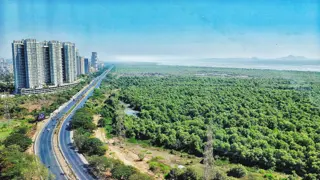
Strategic government policies, smart infrastructure, and proximity to highways/Chandigarh Airport position Panchkula Extension as 2025’s top real estate hotspot for buyers and investors.

Chandigarh addresses its chronic housing shortage with a proposed 32-acre Sector 54 development offering 1,700 residential units. The scheme, currently in planning phases with land allocation and possession timelines under review, aims to breathe new life into the city’s constrained real estate market. Expansion prioritizes equitable housing options, including EWS and MIG categories, while...

A new 140-kilometer Outer Ring Road is set to revitalize Patna's infrastructure, mirroring Delhi's model. This project aims to reduce traffic congestion and enhance regional development across Patna, Vaishali, and Saran.

Proposed 728-flat development near Sukhna Wildlife Sanctuary rejected due to environmental rules, exacerbating housing shortages in already constrained market.

Zirakpur authorities are cracking down on illegal structures by sealing unauthorized buildings in VIP Enclave and demolishing encroachments on R-5 Road to restore infrastructure and ensure compliance with building plans.

UP's new TOD policy allows residential-commercial projects near RRTS stations in agricultural areas like Muradnagar and Duhai, driving infrastructure-led growth through zoning changes and value capture mechanisms.

Rajkot Municipal Corporation approves ₹144 crore infrastructure projects focusing on fire stations, smart city tech, road upgrades, and water utilities to enhance urban living standards.