
Century Real Estate secures Rs 175 crore from PAG for luxury housing project in North Bangalore, aiming to accelerate construction and repay debts.

HRERA issues new rules mandating residential property sales based on carpet area, deemed illegal otherwise.
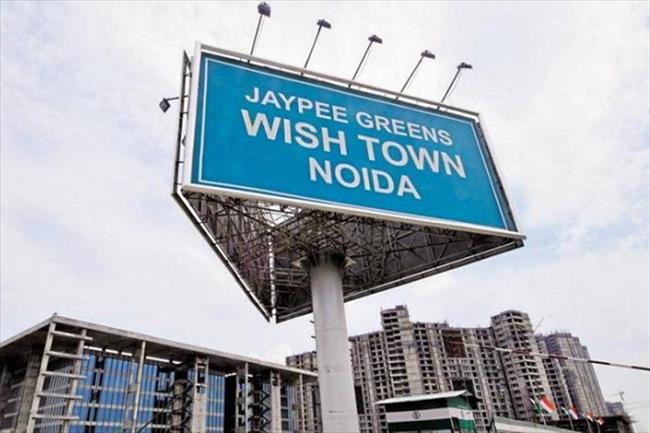
Jaypee Wish Town plans to deliver 6,000 apartments by 2022, including new and renovated units, with construction ongoing despite previous delays.

India's second COVID-19 wave threatens real estate recovery, impacting office and housing markets. Experts predict varying effects on sales and demand.
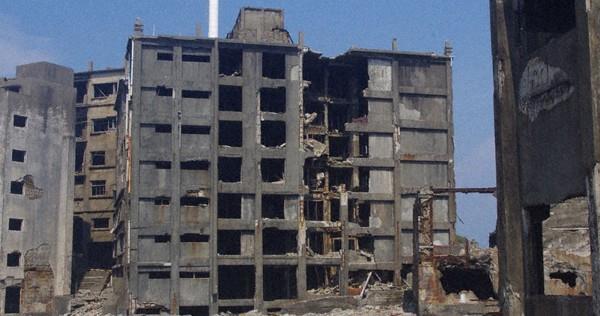
Parsvnath Developers sentenced to prison for delayed refunds to homebuyers, highlighting the issue of pending apartments in Greater Noida. Over 1 lakh apartments remain undelivered, with builders owing GNIDA ₹6,000 crore.

Multiple banks, including SBI and HDFC, have decreased home loan interest rates, aiming to boost housing sales before the financial year ends. Experts anticipate increased demand.
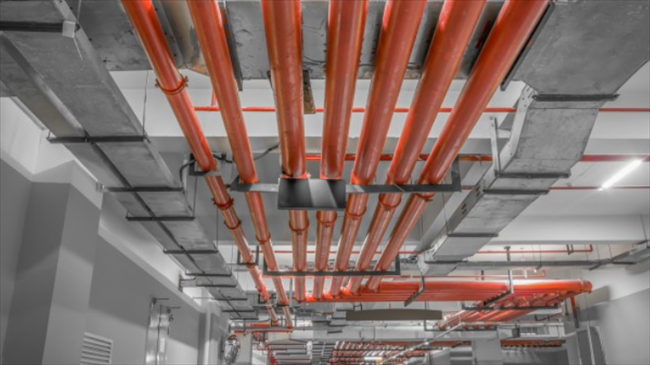
Gurgaon's fire department sealed a Malibu Town residential society club due to non-compliance with fire safety norms, following an inspection and failure to install a fire control system.

India's real estate sector, particularly residential, is rebounding thanks to government policies like reduced home loan interest rates and tax relief, attracting more buyers and foreign investment.
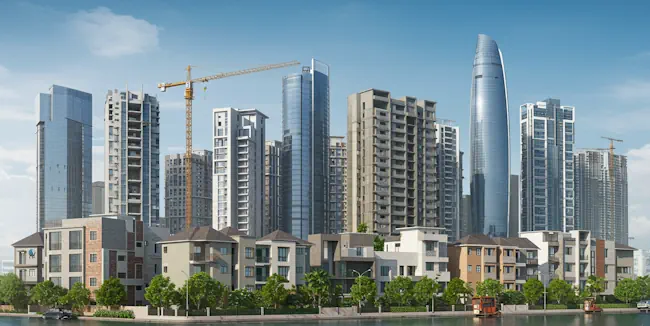
Godrej Properties has acquired Ceear Life Spaces (CLPL) making it a wholly owned subsidiary. The acquisition aims to develop land in Thane. Operations are affected by COVID-19.

ICRA forecasts that the coronavirus outbreak may create negative economic dynamics, which could reduce real estate company revenues and construction capacities. This could increase credit pressures.

Delhi NCR's realty market faced ambiguity due to debt procedures. Faridabad led new project additions, followed by Gurgaon and Greater Noida. Delayed housing units further impacted sales.

Kokapet is witnessing a surge in demand for non-branded bungalows, attracting both locals and migrants, thanks to its competitive pricing and convenient location.

Investors Clinic, a Noida-based real estate consulting firm, is expanding to Mumbai, Bangalore, and Jaipur. Driven by strong growth in these markets, the company aims to triple its growth in 5 years by partnering with leading developers and leveraging its expertise.
Kolkata's residential market rebounds post-demonetization with innovative price protection schemes. Demand has surged by 15%, boosting sales and queries.
Hyderabad's real estate sector showed promising growth in the last quarter of 2016, with significant impacts on the residential and commercial markets due to government initiatives and demonetisation.
Residential real estate markets in top eight Indian cities show improved sales and decreased unsold inventory, except for NCR which still struggles with a high volume of unsold units.
JLL forecasts Kochi as India's top real estate destination citing smart city status, metro connectivity, airport expansion, submarine cable landings, and tourism growth.

Godrej Properties Ltd. (GPL) is developing a 100-acre golf-centric township in Greater Noida Sector 27, marking its entry into the Noida real estate market.
A recent study indicates that social networks like Facebook can influence residential home prices, impacting buyer behaviors and perceptions.
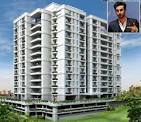
Actor Ranbir Kapoor reportedly purchased a Pali Hill apartment for ₹35 crore, significantly above the market value of ₹11 crore. The 2,460 sq ft flat boasts luxurious amenities.
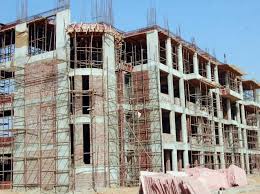
Mumbai's residential market faces potential price correction in 2014 due to high unsold inventory and low absorption rates, shifting the market in favor of buyers.

Omaxe Ltd reports strong sales growth for the first half of the fiscal year, with a 26% increase in property sales. The firm attributes its success to higher average realization rates.
Credai Maharashtra praises state's decision to reserve 20% of flats for the weaker section in developments on one acre of land. The policy aims to reduce slums and provide affordable housing.

Realty major Unitech Ltd reported a 50% decline in property sales during the first half of the current fiscal due to global market slowdown.
Parsvnath Developers to invest ₹1,100cr in Gurgaon-Sohna road township, aiming ₹2,700cr revenue in 4 years.