
Bhopal's real estate market in Central and Eastern India saw an 18% decline in housing units sold during Q1 2025, but sales value stayed flat, signaling resilient property prices. This bucks the trend in other state capitals with milder drops and rising values, underscoring unique tier-2 dynamics amid economic shifts.

Ahmedabad's housing market splits sharply in H1 2025, with new launches plunging 61% YoY to 11,000 units amid 3% sales growth. Premium ready-to-move properties fetch high prices due to fierce demand, while affordable buyers face scarce options and steady rates, reshaping strategies for developers and home seekers alike.

Anarock's recent analysis highlights Navi Mumbai's robust real estate scene, with 90,265 units sold versus 83,100 launched from 2022 to Q3 2025. The market saw a massive 109% jump in new supply during 2023, followed by a 23% dip in 2024 due to the previous year's high base. This detailed data offers solid insights for investors eyeing trends beyond airport hype.

Pune's housing market saw a 17% sales drop in Q3 2025, driven by rising interest rates and economic uncertainties. Despite this, Pune and Mumbai remain key players, accounting for 48% of national sales, as per Aurum PropTech and Economic Times reports. Homebuyers are turning cautious.

In 2025, Kolkata's real estate scene is buzzing with a clear preference for ready-to-move homes. Buyers, led by millennials and Gen Z, want quick occupancy to skip frustrating construction waits. This push speeds up premium developments in spots like New Town and Salt Lake, where builders adapt to modern lifestyles.

Greater Noida's real estate market has exploded with a 98% price increase from ₹3340 to ₹6600 per sq ft between Q1 2020 and Q1 2025, driven by infrastructure boom and rising demand for luxury homes.

Market data shows under-construction properties in Bangalore appreciating at 25% annually, versus 19% for ready homes. This gap creates buyer confusion as new launches often cost more, challenging value perceptions in a dynamic housing landscape.

Mumbai's real estate market puzzles analysts: record property registrations in H1 2025 contrast with a 34% plunge in housing sales. This paradox highlights unique dynamics of pricing, supply, and buyer psychology.

Ahmedabad's residential housing market demonstrated remarkable resilience with 3% sales growth, selling 25,000 units in H1 2025, while property prices climbed 7% despite 61% decline in new launches.
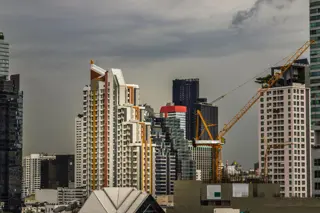
Thane's real estate market shifts toward under-construction projects offering premium amenities at lower costs than Mumbai, driven by demand for affordable 2BHKs and improved infrastructure.

Kolkata's office space demand surged 100% to 6 lakh sq ft in Q2 2025, contrasting sharply with a 10% dip in residential sales. Despite a 23% rise in new housing supply, affordability challenges and geopolitical uncertainty impact buyer sentiment, while commercial real estate thrives on corporate expansion and GCC demand.

Ahmedabad’s real estate market saw a 7.7% drop in new projects during FY 2023-24, driven by increased construction costs and a surge in urban redevelopment.
Government policies are pushing for green buildings in Asian real estate markets. Driven by regulations, incentives, and market changes, green building growth is influenced by corporate social responsibility and tenant preferences.