
The Reserve Bank of India (RBI) uses the repo rate, the interest rate at which it lends to commercial banks, to control inflation.

Indian home prices are projected to rise by 7% this year and next, driven by luxury real estate demand. The affordable housing gap remains a concern despite interest rate hikes by the Reserve Bank of India.

India ranks 14th in Knight Frank's global house price index, with a 5.9% annual price rise due to strong economic fundamentals despite rising loan rates and inflation.

Bangalore surpasses Mumbai as India's most expensive city, according to RBI's CPI. High living costs attributed to the IT industry and inflated prices of essential goods.

Credai Maharashtra highlights concerns of a 22% sales dip in real estate, attributing it to inflation, high interest rates, and regulatory delays, while affirming Pune's relative stability.

PE investments in Indian office spaces doubled in the first three quarters of 2013, despite a slow realty market. Bangalore attracted the most investments, while housing saw a decline.

Real estate shares are under significant selling pressure due to high inflation and interest rates, with notable declines across major companies like DLF and Unitech.

RBI's annual Credit Policy sparks optimism in the affordable housing segment, with realtors hopeful for lowered interest rates. However, concerns over inflation persist.
Mangalore real estate firms commit to booking prices despite rising costs and dipping ROI.
The RBI's decision to raise policy rates will adversely impact the real estate sector, increasing property costs. Experts express caution about market reactions.
RBI's interest rate hike impacts real estate, increasing construction costs and home loan rates. Developers face a cash crunch, while potential homebuyers confront rising borrowing expenses.

Ghaziabad traders protested against proposed house tax hikes, emphasizing that tax policies should be distinctly categorized as either residential or commercial.

India's real estate prices expected to rise further as Finance Ministry retains 2.5% service tax on under-construction projects, impacting homebuyers.
Real estate developers and consultants express disappointment over RBI's credit policy, urging for increased liquidity to boost the struggling property sector.

RBI's recent repo rate cut by 100 bps to 8% aims to curb inflation and may benefit real estate companies and investors, according to Finance Minister P Chidambaram.
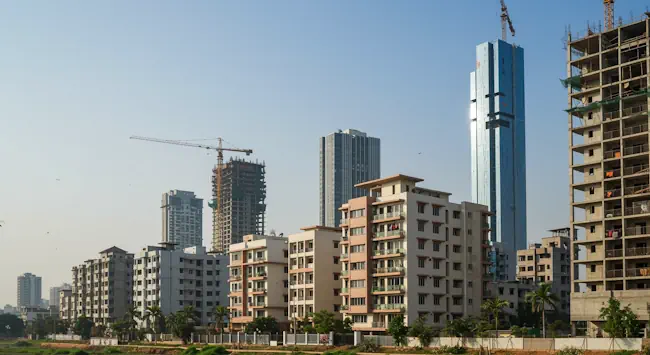
Tishman Speyer plans to raise $1 billion for Indian realty projects, while Jina Ventures aims for $200 million.
Real estate firms are engaging in joint developments amid a significant drop in apartment sales and rising inflation, with experts predicting rising land values in select areas.
Small builders in Lucknow face financial strain due to rising inflation, increased interest rates, and escalating construction costs, impacting project pricing and buyer interest.
Housing finance is under pressure as banks increase developers' contribution limits amid rising rates and an uncertain economy, impacting real estate investments.

Retailers are postponing expansion plans due to declining rental prices, as they anticipate a more favorable market before committing to new spaces.
The cement industry faces challenges due to rising input costs, decreased market demand, and increased capacity, resulting in projected growth below 10%.
Rising inflation and interest rates are slowing down property demand in India. A further interest rate hike could severely impact the real estate sector, except in Mumbai and Delhi where demand remains strong.
Real estate appears resilient to inflation, with experts predicting a price drop of 5-10 percent. It's considered a favorable time for property investment, especially in Tier II and III cities.

Indian real estate firms anticipate margin pressure due to recent interest rate hikes, raising concerns over market demand and pricing strategies.

RBI raises interest rates, impacting stock markets and real estate sector with significant index declines