
NGT's monsoon sand mining ban triggers acute shortages in Ranchi, halting government and private construction projects. Surging prices cause cost overruns, frustrating investors and homeowners. Road developments, housing schemes, and public utilities stall amid environmental protection measures.

Bihar's 4-month sand mining ban (June–Oct 2025) aims to protect river ecosystems while managing construction supply through pre-stocked reserves and regulated distribution points. Developers must adapt to ensure project continuity amid enhanced environmental regulations.

Proposed 728-flat development near Sukhna Wildlife Sanctuary rejected due to environmental rules, exacerbating housing shortages in already constrained market.

Gandhinagar introduces strict green building regulations focusing on energy efficiency, water conservation, and sustainable materials. These norms aim to POSITION the city AS a national benchmark for climate-resilient urban development, leveraging incentives for certification and innovative design.

Raipur Development Authority introduces new sustainability regulations requiring energy-efficient designs, green spaces, and resource-efficient systems for buildings exceeding 20,000 sq ft. This move aims to align regional development with India's growing green building landscape, impacting future real estate projects extensively.
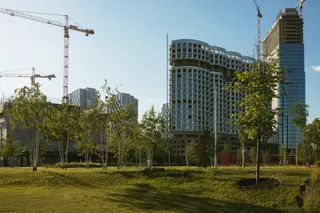
Karnataka mandates rigorous green building regulations in Bengaluru, enforcing energy-efficient designs, sustainable materials, and reduced carbon footprints for all new constructions while introducing incentives for compliance.