Sand Crisis Halts Construction in Ranchi
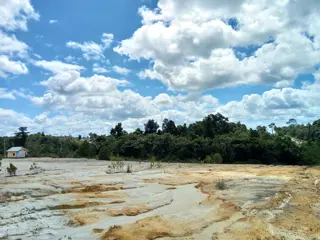 The National Green Tribunal’s (NGT) four-month sand mining ban during the monsoon season has thrown Ranchi’s construction sector into chaos. Mining on riverbanks stopped on June 10, 2025, causing an unprecedented sand shortage. This has halted government projects and private real estate developments. Prices have skyrocketed, straining budgets and delaying project timelines.
Immediate Impacts on Projects
Government Infrastructure
- Road expansions: Suspended due to lack of materials, delaying connectivity improvements.
- Public utilities: Water supply systems and affordable housing schemes under PM Awas Yojana face delays.
- State contracts: Contractors like Rohit Agarwal report work stoppages, risking penalties for non-delivery.
Private Sector Struggles
- Real estate: Homebuilders face stalled projects, pushing deadlines for buyers.
- Commercial towers: Projects divert budgets to overpriced sand imports from Bihar, increasing costs by 30%.
- Individual homes: Residents abandon new construction expansions due to high-priced resources.
Cost Escalation and Black Markets
Prices surged to ₹45,000 per truck from Bihar compared to pre-ban rates, forcing builders to halt operations. The sand mafia exploits shortages, selling at ₹45–50/kg in districts like Palamu. This has:
- Elevated project expenses by 20–25%
- Reduced affordability for middle-class buyers
- Created trust issues in the real estate market
Historical Context and Solutions
In 2015, Jharkhand faced similar crises, with sand sold at 30% premiums. Environmental clearances for 49 sand ghats helped stabilize markets by curbing black marketing. Current stakeholders urge faster approvals to offset monsoon restrictions and revive supply chains.
Investor and Homebuyer Repercussions
- Delayed possessions for pre-sold properties, risking legal disputes
- Investment standstill as returns dwindle due to extended timelines
- Loss of trust in authorities amid perceived inaction against sand cartels
The NGT’s environmental safeguards, while vital, highlight the need for coordinated regulation and alternative resource planning to balance conservation with development.