Beyond the Glitz: How Suburban Micro-Markets Are Reshaping Mumbai's Real Estate DNA
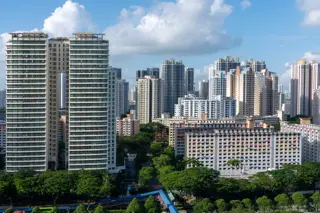 South Mumbai's grip on luxury living is weakening faster than an old Chawl as big infrastructure projects activate dormant corridors. Forget Marine Drive palaces, today's power brokers are focusing on areas where metro rails slice through concrete jungles and expressways change commute stories.
Infrastructure as the Game Changer
Navi Mumbai's airport corridor is not just construction dust; it is a value booster, delivering a yearly growth of 28% with average prices at ₹15,100 per square foot. The Mumbai Trans Harbour Link (MTHL) turned Ulwe from a sleepy village into a prime real estate battleground overnight. Meanwhile, Thane West's 18% rise comes from dual connectivity: the Metro 4 corridor linking to CSIA and the Eastern Freeway shortcut to BKC. Developers like Godrej and Lodha are building towers, and they're creating entire ecosystems around transit nodes.
Top 4 Micro-Markets Redefining the Game
- Kandivali East: Metro Line 2A turned this former industrial zone into a luxury hotspot. Check out Godrej Reserve's ₹25,000/sq.ft. pricing, 35% below Bandra yet with identical finishes.
- Chembur-Wadala Corridor: Where the Eastern Freeway meets Metro Line 6, rental yields hit 3.2% as BKC professionals leave South Mumbai's ₹1.5 lakh/sq.ft. prices.
- Panvel-Ulwe Belt: Navi Mumbai Airport's shadow drives 22% price growth in Kalyan-Dombivali. Developers now offer 'airport city' lifestyles with 40% more green space than city averages.
- Thane West: Redevelopment projects here absorb 70% mid-segment launches. Smart buyers use JRBT upgrades for 12-minute hops to Mumbai Central, beating the old 90-minute crawl.
The Developer Playbook
Watch how premium builders change tactics: smaller unit sizes (650-850 sq.ft. 2BHKs now dominate 63% of launches), mixed-use complexes blurring work-live-play boundaries, and hyper-local amenities like co-working pods in 82% of new towers. They're not just selling square footage, they're monetising time savings. When a Thane resident gains 11 working hours weekly from faster commutes, that's worth more than marble flooring.
Why This Isn't Another Bubble
Current micro-market growth differs from 2008's frenzy. Today's 10-15% annual appreciation rests on three pillars: functional infrastructure (not promises), corporate relocations (Adani's BKC expansion pulls 12,000 jobs monthly), and genuine affordability gaps. Rental yields in emerging zones have jumped to 2.8-3.5%—finally closing the gap with South Mumbai's stagnating 2.1%.
The verdict? Mumbai's real estate soul has moved north and east. While Walkeshwar villas still make headlines, the money's quietly shifting where metro trains arrive every 90 seconds and airport access beats sea views as the ultimate status symbol. Your next investment decision should hinge less on 'Mumbai' as a label and more on which micro-market's infrastructure clock is ticking loudest.