The Impact of Infrastructure on Coastal Property Markets
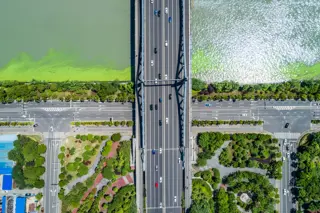 Coastal road projects immediately affect real estate markets. Properties along these routes see significant value changes before construction finishes. Smart investors spot these trends early.
Market Response Patterns
Recent data shows interesting trends in coastal infrastructure areas. The Mumbai Coastal Road shows this perfectly - places like Worli and Marine Drive saw 20-30% property price increases over two years during development. Meanwhile, the Bandi-Andheri corridor had more modest but steady 5-15% appreciation rates.
These numbers tell a story. Early buyers positioned themselves well while skeptics waited for project completion. The Lagos-Calabar Coastal Highway, spanning over 700 kilometers, offers similar opportunities across multiple states, including Ogun, Ondo, and Delta.
Key Value Drivers
Improved connectivity drives higher property valuations. Reduced travel times create clear benefits - Mumbai's coastal road cuts commutes from one hour to just 10 minutes between key districts. This accessibility boosts property value and demand.
Spillover development impacts neighboring areas too. Properties don't need direct coastal access to benefit. Secondary zones often see appreciation as primary markets become saturated or overpriced.
Investment Timing Considerations
Successful coastal road investments need strategic timing. Investors who purchase properties before construction typically see higher returns. However, buyers must weigh early-entry benefits against construction disruptions and completion uncertainties.
Residential and commercial segments respond differently. Office rental rates in traditional business districts often stabilize or increase, reversing previous moves to suburban hubs. This pattern suggests infrastructure projects can revitalize established commercial zones.
Risk Assessment Framework
While infrastructure projects generally boost values, location specifics matter significantly. Properties closer to actual road access points command higher premiums than those just nearby. Geological factors, environmental concerns, and local zoning regulations all influence long-term appreciation potential.
Early market responses provide valuable insights for future coastal infrastructure investments in emerging markets.