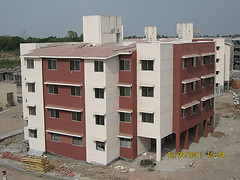
Property prices in major Indian cities appear stable, with corrections unlikely. Market conditions prevent significant decreases despite high inventory and builder resistance to cuts.

Real estate thrives in cities with high job growth, like Bangalore, Chennai, Hyderabad, and Pune, outpacing Delhi and Mumbai. This growth is driven by IT and other sectors, impacting property supply and pricing trends.
Tier 2 cities in India are attracting real estate investors due to higher returns, driven by rapid development, job growth, and IT expansion. These emerging markets offer lucrative investment opportunities compared to larger, saturated cities.

MNCs and Indian corporates are divesting real estate assets in prime locations to manage debts and improve financial stability amidst rising interest rates and economic challenges.

Farmhouses are gaining popularity among high-net-worth individuals as a status symbol and networking hub. Driven by lower land costs and relaxed regulations, demand is surging in metropolitan areas like Delhi and Mumbai, transforming these properties into venues for exclusive gatherings and events.

NRIs face challenges selling property in India due to sales tax rules. Understanding these regulations is crucial for minimizing tax liability. Strategies include reinvesting the sale proceeds in a new property or utilizing the Capital Gain Account..

Investing in resale property requires clear goals and careful attention to location and documentation. Understanding challenges can ensure a wise investment.

Timing the real estate market requires intuition and historical context. Smaller investors eyeing Mumbai should consider waiting 8-10 months for a potential correction. Opportunities may exist now in other cities, but local market research is crucial. Affordability and long-term planning are vital. A 'wait and watch' approach suits experienced investors prepared for potential market fluctuations.

Navigating the real estate market can be complex, especially in India. This guide simplifies key real estate terms related to residential and commercial properties. Understanding these terms, from "Built-up Area" to "Percentage Lease", empowers buyers and investors to make informed decisions in the dynamic Indian property market.

Indian real estate prices vary significantly by location, causing confusion for buyers. Prices in cities like Mumbai, Delhi, and Bangalore have seen dramatic increases, with certain areas showing especially wide price bands. This volatility contrasts with more stable Western markets.

Knight Frank expects the Indian property boom to persist into 2008, though the credit crunch may temper growth. Foreign investment remains strong in this promising market.