
Infrastructure projects will significantly influence the real estate market in 2024. Key areas to watch include Gurgaon (Dwarka Expressway), Noida (Sector 150, Greater Noida West), Mumbai (Navi Mumbai, South Mumbai), and Bengaluru (Purple Line corridor).

NoBroker predicts NRIs will contribute 20% of India's real estate investment by 2025, favoring Bengaluru and Mumbai. Demand for 3BHK units is high, but transparency remains a key challenge.

REITs offer investors a way to access real estate's potential without direct property management. This article explores the features, advantages, limitations, and risks associated with REITs, providing insights to help investors make informed decisions, advising consultation with an advisor before investing.
Buying land in India involves property registration fees and stamp duty, ranging from 7% to 10% of the property's cost. These fees vary by state, property type, location, and owner demographics, with women often receiving discounts. Online calculators simplify the process of estimating these costs.
Alibaug, a coastal town near Mumbai, has become a popular second-home destination. Offering scenic beauty, easy accessibility, and a blend of leisure and cultural experiences, it attracts a diverse range of visitors. From luxurious bungalows with personalized services to immersion in local culture..
Discover why Alibaug is the perfect getaway for families with luxurious bungalows that provide comfort, amenities, and access to stunning beaches and attractions.
Studio apartments in Mumbai offer affordable, low-maintenance living spaces ideal for single professionals. Though smaller, they provide convenient city access and are a smart investment for rental income.
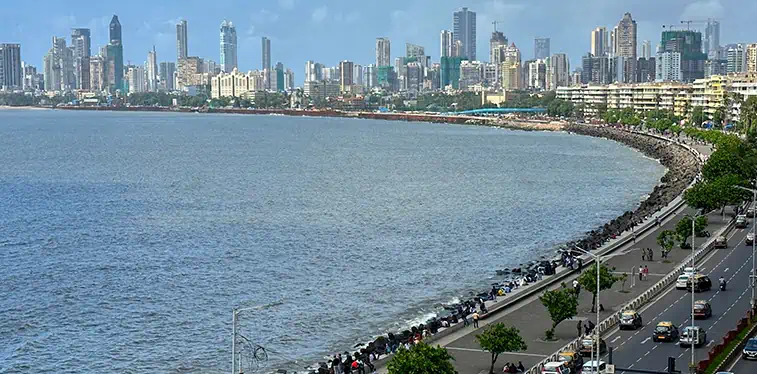
Discover the allure of Mumbai's sea-facing flats, offering stunning views, luxurious amenities, and a peaceful lifestyle, making them ideal for buyers and investors alike.
Explore an in-depth overview of GST's implications in real estate, its definitions, applicability, rates, and the distinction between affordable and non-affordable housing.
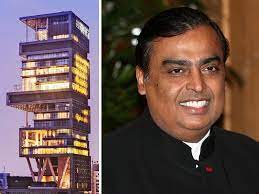
Explore the luxurious homes of India's billionaires, featuring exceptional properties including Mukesh Ambani's Antilia and Shahrukh Khan's Mannat, showcasing opulence and grandeur.

The Maharashtra government's SRA scheme aims to rehabilitate slum dwellers by providing quality housing through a public-private partnership. Key aspects include eligibility criteria, the buying process, and facilities provided in SRA flats.

Buying a flat in Pune? Consider location, price, connectivity, possession date, security, legal checks, and hidden costs. Plan for your family's needs, compare prices, and ensure all necessary approvals are in place for a smooth purchase.
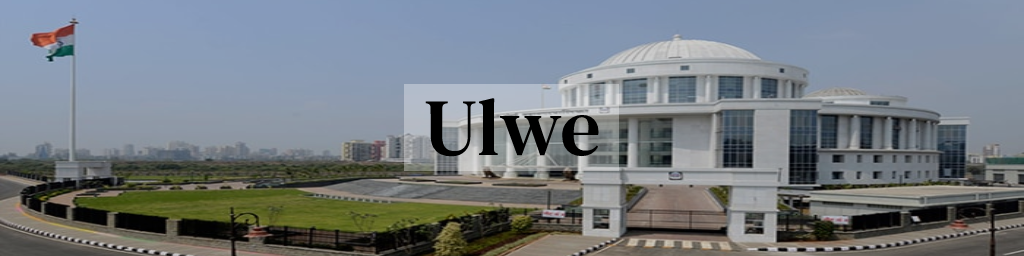
Searching for the ideal place to live or invest in Navi Mumbai? Explore these 7 promising locations offering high returns and a vibrant real estate market, perfect for both homebuyers and investors.
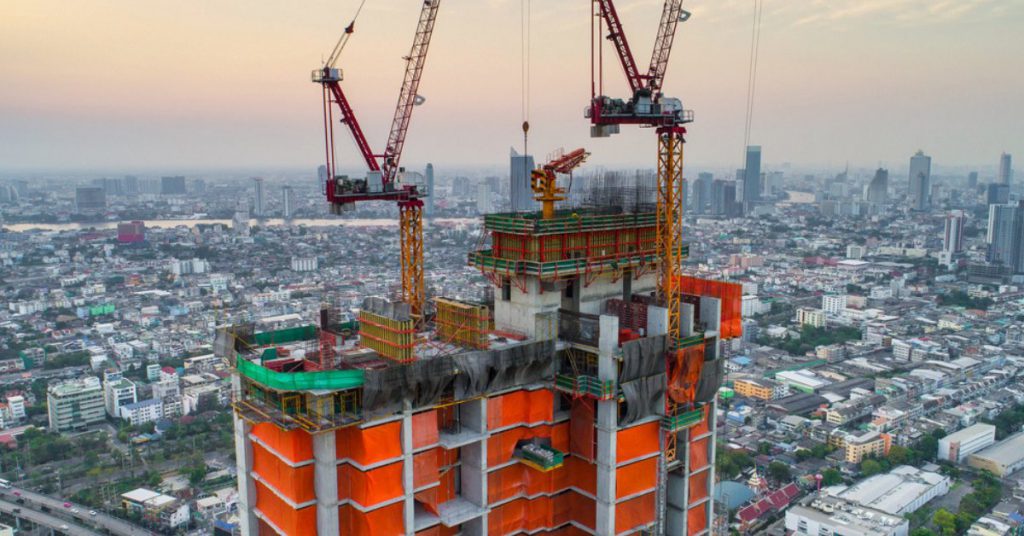
Discover the six compelling benefits of investing in Panvel real estate. From robust infrastructure and seamless connectivity to reputable educational institutions and lower pollution levels, Panvel offers a unique blend of advantages for both...
Explore the top areas to buy flats in Pune for 2021, highlighting prices, connectivity, and local amenities to facilitate smart investment decisions.
Badlapur, a town near Mumbai, offers affordable housing and a booming real estate market. It attracts those working in Mumbai but seeking a more affordable and peaceful lifestyle with good amenities.

Bollywood actress Katrina Kaif renovates her 3 BHK Bandra apartment instead of buying a new home. The extensive renovation includes interior design by Soni Tanna and addresses previous issues like leakage.

India's most expensive homes belong to billionaires and Bollywood stars. From Antilia to Mannat, these residences feature luxurious amenities, stunning artwork, and breathtaking views, reflecting the opulent lifestyles of their owners.
Shahrukh Khan's Mannat, valued at Rs.70-100 crore, is an iconic sea-facing Mumbai home. Blending Italian architecture with modern amenities, this luxurious residence reflects the Bollywood superstar's stature.

After gold's price drop, experts fear a similar downturn in the property market. Despite developer assurances, high unsold inventory suggests otherwise, with discounts and incentives becoming commonplace.

Branded residences are gaining popularity in India, with developers partnering with international brands like Armani and Four Seasons to offer ultra-luxury living experiences to high-net-worth individuals.

Investing in suburbs offers promising returns over a longer duration, while metro cities favor short-term investments due to skyrocketing property prices.
Thane's rapid growth as a real estate hotspot is largely due to improved connectivity, making it an attractive suburb in the Mumbai Metropolitan Region.
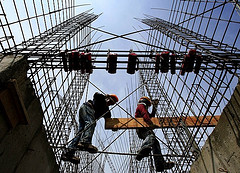
Pre-launch properties offer excellent returns in the booming real estate market. Gurgaon leads as an investor-driven market, followed by cities like Bangalore and Mumbai. Investing early maximizes profits and builders offer attractive incentives.

Several Indian cities are emerging as prime locations for property investment. Explore promising areas like Mumbai, NCR, Bengaluru, Pune, Chennai, and more, offering high returns and excellent infrastructure.