
A strategic guide to Pune's legal due diligence processes, emphasizing title verification and encumbrance certificates to prevent property disputes in Maharashtra's competitive real estate market through systematic documentation checks.

Analyze Howrah’s booming culinary districts shaping rental markets, with insights from local chefs on eatery density and tenant demand dynamics.
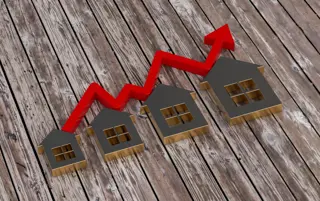
Explore how Gurgaon’s metro expansions impact rental pricing across commercial zones and residential areas, with analysis of key sectors like Dwarka Expressway, Sector 56, and Golf Course Road.
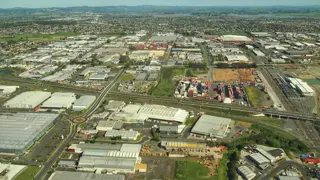
Investigate Howrah’s 2025 industrial boom, with record infrastructure-driven demand and a ₹700 crore foundry park leading the charge. Discover emerging hubs like Uluberia and logistics opportunities in this Kolkata-adjacent growth zone.

South Mumbai’s commercial real estate is experiencing a revival driven by infrastructure projects and evolving workspace demands. Historic CBD areas like Nariman Point are seeing rental surges and renewed interest from MNCs and domestic firms. Hybrid setups and premium office spaces are reshaping traditional workspaces, positioning South Mumbai as a prime financial hub once again.
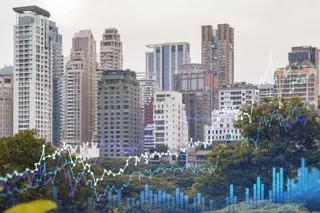
Explore the drivers behind GIFT City’s explosive 74% residential price surge, fueled by global financial sector growth, NRI investments, and policy reforms. Discover how infrastructure, liquor policies, and corporate demand reshape this emerging global hub.

This article explores the rental yield differences between commercial and residential properties in high-footfall areas near educational institutions in Gandhinagar, providing insights into profitability and risks.
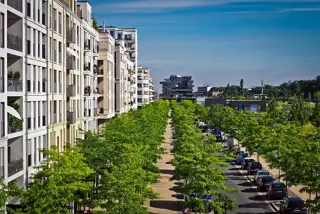
Ranchi's smart city projects are transforming its real estate landscape. Explore how greenfield development, digital services, and waste management initiatives are boosting property demand in Upper Bazar and Namkum, and how infrastructure investments correlate with premium pricing.

Thrissur’s smart city projects, including metro expansion and infrastructure upgrades, are transforming its property market, boosting investor confidence and real estate values significantly.

Explore Vellore's prime locations like Katpadi, Pallikonda, and emerging IT zones, fuelled by infrastructure projects and rising demand for residential and commercial spaces. Discover how these areas offer high growth potential for 2025 investors.

Discover how Ernakulam's mixed-use developments are revolutionizing urban living by blending residential and commercial spaces, fostering convenience and community-centric lifestyles.

Analyze infrastructure projects, urbanization trends, and strategic proximity to IT hubs, airports, and commercial centers to identify Bhubaneswar’s emerging real estate hotspots for maximum returns.

Strategies for mitigating risks in Nashik's emerging areas, focusing on infrastructure timelines, market analysis, and developer due diligence to safeguard investments.

Tiruchirappalli offers investors lower costs, strategic infrastructure, and high growth potential, making it a superior choice to Chennai for long-term returns in 2025

Identify top real estate investment zones in Bhubaneswar near IT parks, educational hubs, and transit corridors offering 6-10% annual appreciation through smart city infrastructure and economic growth.

Analyzing Rajkot's Kalawad Road and University Road for real estate investors, comparing rental yields, appreciation rates, infrastructure, and demographic appeal to determine optimal investment returns.

Discover how to assess commercial properties in Ranchi’s bustling Main Road and Kutchery Road zones. Learn to evaluate tenant risk, market saturation levels, and income yield calculations for informed investment decisions. Focus on actionable steps for strategic returns.

Explore how IT sector expansion is transforming Bhubaneswar's real estate, from new tech parks to emerging suburban hotspots and rising demand for co-working spaces. Learn about zones gaining traction and implications for investors

Navigate Trichy’s surging commercial property market through strategic investments in high-demand zones, comparing retail vs office space dynamics and analyzing tenant categories to maximize ROI in 2025. Explore emerging areas like Panjapur’s IBT-enabled hubs and Cantonment’s upcoming commercial corridors while leveraging government initiatives such as Smart City Mission and RERA-compliant...

Exploring Surat's diverging property trends for 2025, featuring locality-specific price patterns, YoY changes, and strategic investment advice. Bhatha shows 6.84% annual growth, Vesu maintains premium pricing at ₹5,641/sqft, while Adajan offers affordability. Commercial and residential insights drive informed buying/selling decisions.

Kolkata's real estate market is characterized by affordability and growth, influenced by economic factors and government initiatives. Future trends include increased demand, technological integration, and sustainability.

Nagpur leads India's tier-II real estate surge with strategic micro-markets like Samruddhi Circle and industrial zones achieving 5.2X land price growth by 2035, driven by infrastructure projects like Samruddhi Mahamarg Expressway and metro expansions. The city’s affordable housing, warehousing demand, and emerging economic hubs attract homebuyers, investors, and businesses.

Explore Tiruchirappalli's thriving resale market, including pricing trends, key demand drivers, and actionable strategies for homebuyers and sellers. Analyzes infrastructure impacts, affordable housing growth, and emerging neighborhoods like Panjapur and Thillai Nagar, while highlighting government initiatives and tips for maximizing value.

Explore how Nashik's IT sector growth drives residential/commercial real estate demand through infrastructure expansion, urban planning changes, and employment surges.

Explore Nashik's thriving industrial zones like Satpur and Ambad, driven by infrastructure, government policies, and economic growth, offering strategic investment opportunities in 2025