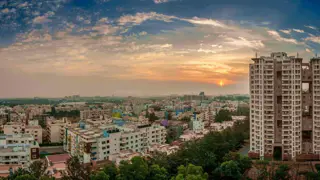
ICRA said premium homes are driving India's housing sales, with luxury area up 14% and affordable down 9% in FY26. Bengaluru's ₹2-5 crore segment grew its share of sales value, CRE Matrix reported.

Chennai's southern suburbs like Pallavaram-Thoraipakkam Road, Thoraipakkam, and Porur are leading a residential supply surge in 2025. Q3 data reveals Suburban South II and I captured 90% of new launches, driven by superior connectivity, infrastructure upgrades, and ample land versus crowded city centers, drawing developers and homebuyers alike.

Noida's housing market soared in 2025, launching over 10,000 units from January to September, per Cushman & Wakefield's 'Noida Runway for Growth' report. Mid-segment dominated with 8,621 units, while high-end and luxury added 1,465, beating 2019 pre-COVID levels and signaling robust growth ahead.

New Gurgaon and Dwarka Expressway led Gurgaon's residential boom in Q3 2025, capturing 43% of launches per Cushman & Wakefield's report. Developers flock to these areas for better airport links, growing amenities, and high returns, shifting focus from crowded prime spots amid supply shortages. Gurugram dominates NCR housing with 87% share.

Pune's residential market surged with 10,776 new units in Q3 2025, led by NH-4 Bypass North corridor at 38% share, including Hinjewadi and Wakad. Mid-segment claimed 58%, while high-end and luxury units hit 38%, signaling strong buyer demand for premium homes amid infrastructure boosts.

Prestige Group unveils two major residential projects in Q4 2025, capitalizing on surging demand for premium homes across Bengaluru's high-growth corridors and solidifying its market leadership.

The Delhi NCR real estate market surged in Q3 2025 with 10,245 new housing units launched, showing a 12% increase from the previous quarter. Gurugram dominated with 8,883 launches, while New Gurgaon and Dwarka Expressway stood out as prime growth areas.

Mumbai's residential real estate sector showed strong momentum in Q3 2025, launching 15,388 units. Navi Mumbai led with 39% share, while mid-segment housing dominated at 65%. Capital values dipped 8%, but rentals rose slightly.

Howrah's real estate scene buzzes with over 113 new residential projects, including The Oasis in Liluah offering 3 BHK flats from ₹42.44 Lakh, zero brokerage, and possession by November 2025. This surge highlights robust market growth and attractive buyer incentives.

The JLL-NAREDCO report reveals a dramatic rise in housing sales in Mumbai and Pune, doubling to 105,332 units from 2022 to mid-2025, as premium homes dominate launches at 59%, while affordable options dwindle, urging policy interventions. (158 characters)
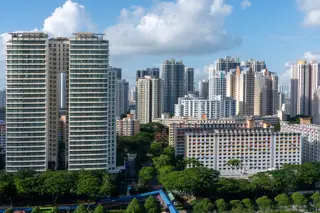
Gurgaon recorded 26,268 residential unit launches in 2024 nearly half of NCR’s total supply highlighting post-pandemic demand recovery, luxury-focused projects, and sustained price growth.

North Bangalore emerges as India's premier real estate hotspot, accounting for 33% of Bengaluru's residential launches in 2024. Driven by tech parks, aerospace hubs and infrastructure upgrades, areas like Devanahalli, Yelahanka, and KIADB Aerospace Park.

Pune's new residential launches decreased by 32% in H1 2016 compared to H1 2015, while unsold inventory reached a 5-year low. Office space transactions also slowed down due to lack of new supply.