
Air India's plan to lease vacant floors in its Nariman Point headquarters faces challenges due to tough market conditions, but the Civil Aviation Minister remains confident. The plan aims to raise funds by leasing or selling properties in Delhi and Mumbai.

SEBI files criminal charges against Sahara Group, seeking compliance with regulatory orders. Sahara Group denies accusations and claims timely submission.
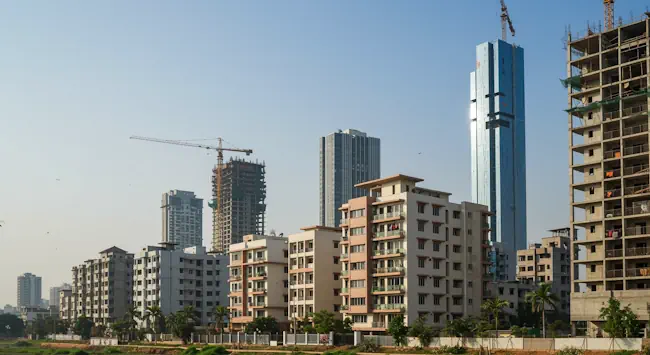
Indiabulls Real Estate Ltd. is opening its first overseas office in the UAE to assist UAE NRIs in property investment. The company plans expansion to Qatar, Saudi Arabia, and Bahrain.

Removing the cap on loans has boosted NRIs' desire to invest in Indian real estate. Approx. 90% of NRIs in UAE prefer real estate investment in India.

Demand for luxury homes in India is surging, driven by NRIs, evolving lifestyles, and festive offers. Major cities see high demand for homes exceeding ₹20 crore, prompting developers to launch luxury projects.

Gurgaon's real estate market saw a surge in new residential projects during the festive season, fueled by reduced interest rates. However, increased prices deterred some buyers, despite high demand and attractive payment schemes for investors.

Mumbai's real estate firms are selling smaller office spaces due to declining demand from corporates and financial institutions, turning to professionals for sales.

Commercial real estate demand rebounded in India during Q3 2012. Bangalore led office space absorption, followed by Hyderabad and Mumbai. Rental markets remained stable.
Real estate secures the top spot as India's preferred investment choice, surpassing gold and silver, due to economic uncertainties and rising rural incomes.
JLL India partners with Everstone to manage four shopping malls across India, enhancing retailer and customer experience.

Reliance Capital plans to launch a ₹1,000 crore real estate-focused fund by 2012's end, targeting stalled projects in key Indian cities, despite recent market challenges.
Mumbai real estate prices have declined due to higher interest rates, stricter housing loans, and increased repo rates. The RBI's strict lending policies and over-supply have also contributed to this drop.
Suburbs are now preferred for real estate investment due to changing lifestyles and job availability. Gurgaon and Noida exemplify this trend, offering quieter, cleaner, and more relaxed environments.
The depreciating rupee has increased demand for residential properties from NRIs, particularly in Mumbai. Developers are also offering discounts due to liquidity concerns, making properties more attractive.

Mumbai land prices, already the highest in India, are expected to continue their 15 percent decline this year due to high borrowing costs and the need for developers to sell.
According to CBRE, the Indian residential market saw significant price increases in 2009-2011, followed by stagnation in the latter half of 2011 due to multiple factors.
Bangalore transformed from a seasonal racing town to a year-round economic hub after becoming the capital of the Kannada state. It faces infrastructure strains due to rapid growth.
Mumbai's real estate market shows signs of recovery with increased property registrations and new project launches. Festive occasions, discounts and lower interest rates are driving demand.
Mumbai faces longer sales times for its 1.13 lakh unsold units due to high prices, despite having fewer unsold units than Delhi NCR. Rate cuts by RBI could boost sales.
Hongkong and Shanghai Hotels Ltd, known for its luxury 'Peninsula' brand, is looking for partners to enter India. They aim to start operations in Delhi and Mumbai.
In 2011, demand for office and retail space in Bangalore showed robust growth, with a significant contribution from the IT and ITES sectors. Experts predict an even higher demand for office space in 2012.
JLL India predicts marginal appreciation in residential unit prices over the next 6 months, driven by improving affordability and demand, despite current market slowdown.

Chennai Realtors Seek Enhanced Tax Exemption to Boost Real Estate Market
Bengaluru's commercial real estate thrives due to its skilled workforce, quality living, and ITES sector, although real estate costs and accessibility are also significant factors.
Stable Indian real estate market: prices held high despite interest rate hikes, mixed future outlook