
MahaRERA has issued recovery warrants worth Rs 633 crore against errant builders in Mumbai, Pune, and Thane to protect homebuyers' investments.

MahaRERA's new circular mandates promoters to submit certificates to track project status, increasing transparency for home buyers.

Maharashtra gov removes property tax for residential properties up to 500 sqft in Mumbai, affecting 16 lakh homes & costing BMC Rs 468 crore.
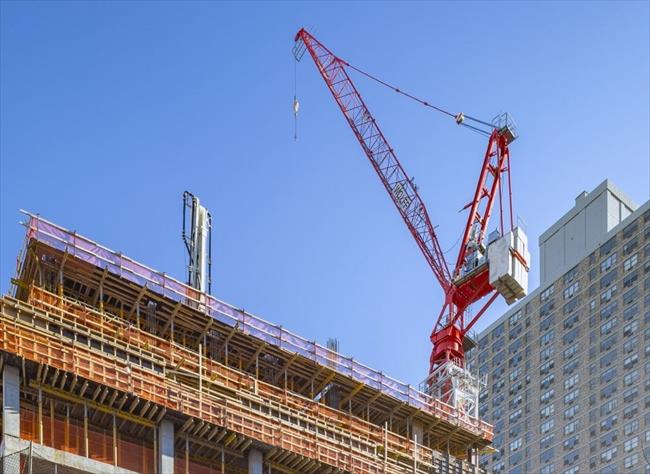
MahaRERA has listed over 3,400 real estate projects as lapsed due to delays, limiting developers from selling until extensions are approved by stakeholders.

Real estate developers must now disclose their mortgage or loan status to CERSAI. This move aims to increase transparency and protect home buyers from potential legal complications.
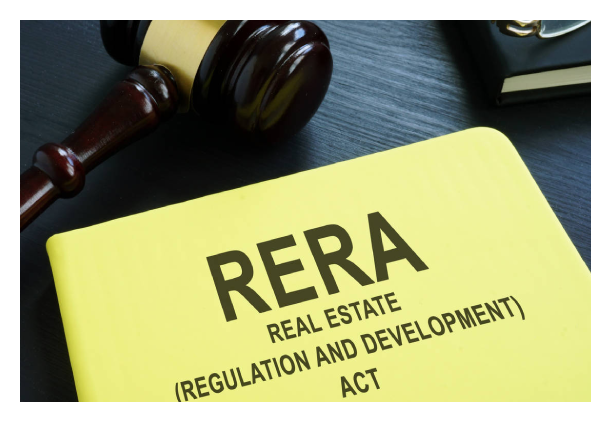
1,824 Maharashtra residential projects labeled "expired" by MahaRERA for exceeding deadlines. Developers need 51% buyer consent for extensions and face restrictions on promotion.
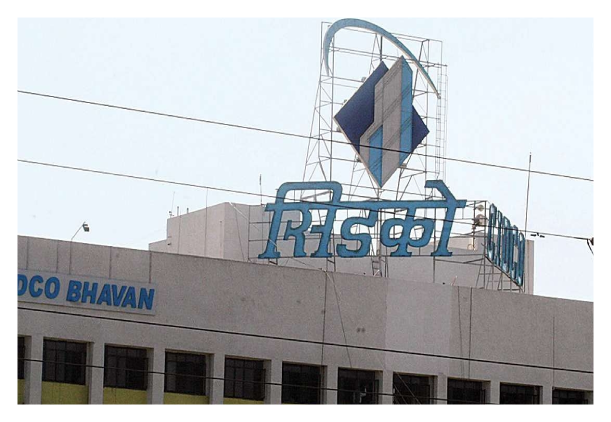
CIDCO begins geotagging plots in Navi Mumbai, enhancing transparency and efficiency in land records, benefiting buyers and developers alike.

MahaRERA: Non-agri land use only after infrastructure in place, RERA registration mandatory

CREDAI-MCHI urges Maharashtra government to reduce stamp duty to 2% in Mumbai to revitalize housing demand amidst the COVID-19 pandemic, citing reduced sales and state revenue.

Maharashtra makes slot booking mandatory for property registration in April due to COVID-19 restrictions, potentially impacting revenue collection.

Goa CM Pramod Savant announced a 30% infrastructure tax reduction for six months starting April 1, 2021, to revitalize the real estate sector and simplify double taxation issues.
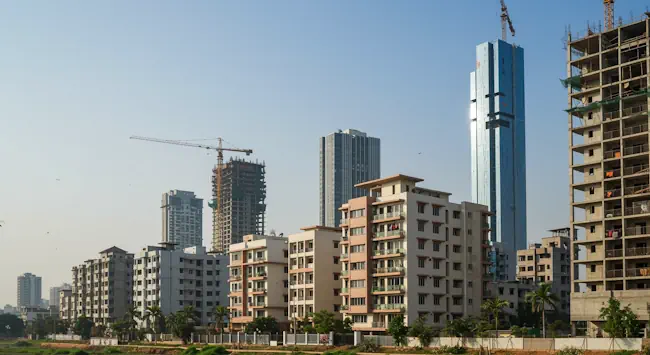
Prestige Estates Projects secures the highest bid for a stalled real estate project in Mulund, promising significant revenue and land development.
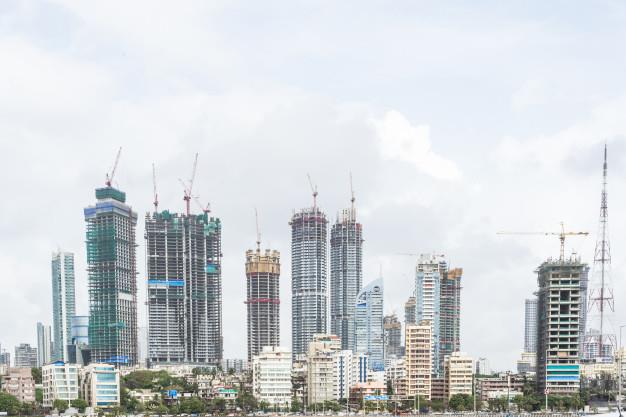
Maharashtra extends real estate incentives until August 2021, offering concessional premiums to developers for residential and commercial projects in Mumbai.

Avighna Group, HBS Realtors in talks for Rs 1,800 cr Worli residential project

Bangalore surpasses Mumbai as India's most expensive city, according to RBI's CPI. High living costs attributed to the IT industry and inflated prices of essential goods.

Investors Clinic, a Noida-based real estate consulting firm, is expanding to Mumbai, Bangalore, and Jaipur. Driven by strong growth in these markets, the company aims to triple its growth in 5 years by partnering with leading developers and leveraging its expertise.

Mumbai's real estate development is focused on utilizing 13,000 hectares of land from no development zones to address the housing demand and prioritize affordable housing.
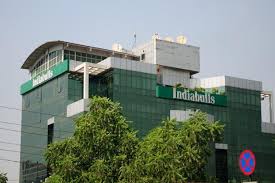
Indiabulls Real Estate has secured ₹25 crore through the issuance of Non-Convertible Debentures (NCDs). The company plans to develop 11 projects spanning 30.51 million sq ft.

2 Mumbai builders, 9 associates booked for cheating, forgery under MOFA, IPC in Pune's Kondhwa

Mumbai builders booked for failing to deliver apartments on time, violating MOFA and IPC.

Residential real estate markets in top eight Indian cities show improved sales and decreased unsold inventory, except for NCR which still struggles with a high volume of unsold units.

Shri Group secures Rs 80 crore from Edelweiss for construction in Greater Noida West, citing positive real estate market trends and upcoming project phases.
Virat Kohli has invested Rs 34 crore in a luxurious 7,171 sq ft apartment in Worli, Mumbai, with possession expected by mid-2018.

Kolte-Patil Developers appoints Gopal Sarda as Mumbai region's executive officer chief, following Sujay Kalele's departure.
Real estate developers face tough market conditions with low sales and high inventory, according to experts and recent data from Colliers India and Cushman & Wakefield.