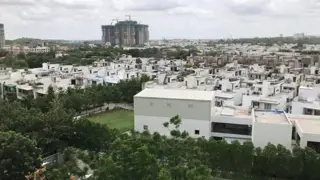
Rangareddy made up 44-46% of Hyderabad's home registrations in December 2025, Knight Frank India said. Rangareddy prices rose 13% year on year. Land asking rates in the district are about ₹1,967 per sq ft.
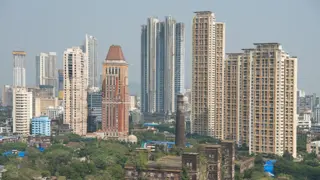
Average apartment prices in Navi Mumbai rose from ₹14,800 to ₹18,100 per sq ft between 2021 and 2025. Vashi and Seawoods led the gains, and Panvel and Ulwe rose more slowly.

Pune’s housing market is climbing fast in 2026, with tight supply, metro-linked growth, and IT demand pushing prices higher across prime micro-markets.

Sector 122 in Mohali is drawing buyers with large integrated townships, Chandigarh-style advantages, better valuations, and strong connectivity across Tricity.

Gurgaon drew ₹86,588 crore in 2025, with 131 HRERA-approved projects and 35,455 units reinforcing trust, supply depth, and long-term investor confidence.

Infrastructure upgrades on Dwarka Expressway and SPR are reshaping Gurgaon demand, with metro-linked connectivity and strong absorption lifting both home and office values.

Uttar Pradesh has lifted Lucknow development fees to Rs 2,475 per sq m, a 77 percent jump that may reshape project costs and pricing.

Zirakpur’s housing market is tightening fast as infrastructure upgrades, scarce ready homes, and higher construction costs push prices upward.

Ghaziabad drew ₹12,750 crore in 2025, logged 29 new project registrations, and became UP’s second-strongest district after Noida.

Noida led Uttar Pradesh’s real estate market in 2025 with 69 project registrations, 37,199 units, and over half of the state’s capital investment.

Kolkata’s housing market is tilting toward larger, better-finished homes, with ₹50 lakh-₹2 crore units driving nearly half of all sales in 2025.

Hyderabad’s real estate market remains stable in 2026, supported by infrastructure upgrades, stronger connectivity, and steady demand across residential, office, and logistics segments.

Developers are refocusing on ₹1.5–3 crore homes in 2026, reviving demand for practical housing and opening new choices for mainstream buyers.

Navi Mumbai’s premium pockets outpaced the market from 2021 to 2025, with Seawoods now the city’s priciest hub and metro-linked growth leading demand.

RG Group has secured occupancy certificates for all phase-one towers at RG Luxury Homes, paving the way for possession and registry in Sector 16B.

Sumadhura Group has unveiled six premium residential projects in East and North Bengaluru, targeting ₹10,000 crore revenue and reinforcing demand in key growth corridors.

Nagpur’s 2026 housing push under PM Awas Yojana aims to add 30,000 affordable homes, backed by metro expansion and better transport links.

Punjab’s plan to add nine Mohali sectors across 6,285 acres could spur jobs, widen housing supply, and lift the city’s real estate outlook.

Pune's housing market is expected to recover in 2026 with 3-7% growth, after a 20% sales dip in 2025 tied to tariffs and layoffs.

Signature Global says Gurgaon's housing market remains fundamentally strong, with low speculation, steady end-user demand, and price growth likely to moderate in 2026.

Festive demand, GST relief, and clearer ORERA rules boosted Bhubaneswar housing sentiment in 2025, even as certificate gaps slowed some registrations.

Thane’s 2025 shift from Mumbai’s extension to a self-sustained market is reshaping buyer choices, with 2026 set for stronger infrastructure, design-led projects, and deeper end-user demand.

Sushant Golf City in Lucknow has entered India’s top luxury micro-markets, drawing affluent buyers and NRIs with strong infrastructure and growth potential.

Mumbai-Ahmedabad bullet train stations are turning nearby towns into high-growth investment zones, with 2-5 km properties drawing 15-25% annual appreciation.

Bengaluru homebuyers are reporting alleged double sales of apartments through altered registration papers, exposing legal risks, financial losses, and weak builder accountability.