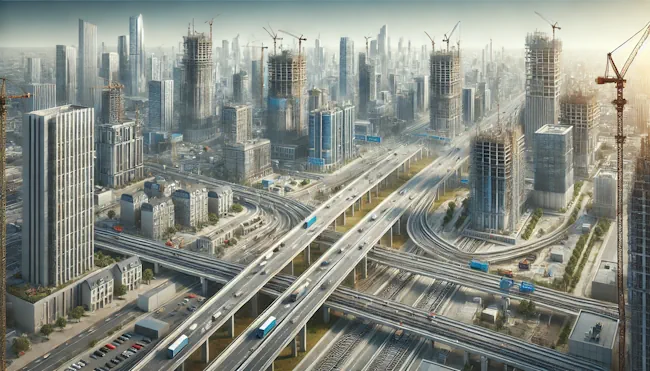
India’s major infra companies have paid over $1 billion in finance and interest costs during H1 of the current fiscal, causing significant margin dents.

Aditya Birla Group invests Rs 130 cr in a residential project on Dwarka Expressway by Tata Housing and Sidhartha Group, with expected IRR of 25-27% over four years.
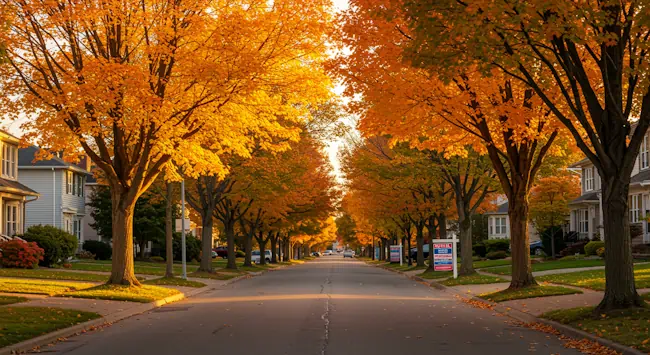
Tier-II and Tier-III cities in India are experiencing significant growth in residential real estate transactions, contrasting with the slowdown in major metros.
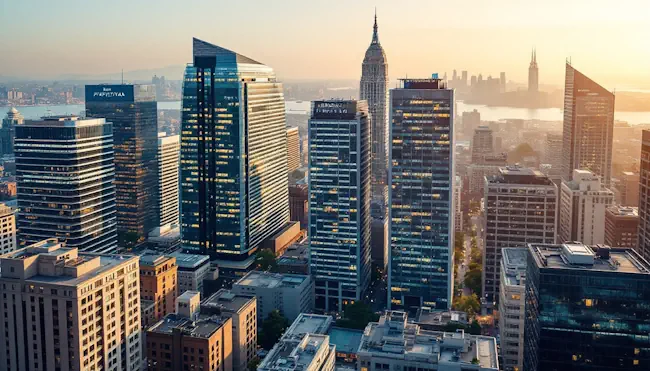
Office space availability in India's top cities plummeted by over 75% in Q2 due to high vacancy rates and weak commitments in ongoing projects, marking the lowest supply in recent quarters.

In response to RBI's new loan policy, developers are introducing offers and freebies to attract buyers amid an economic slowdown and unsold inventories.
According to JLL India's report, foreign retailers may delay their entry into India due to high costs and upcoming elections, impacting real estate developers and rentals.
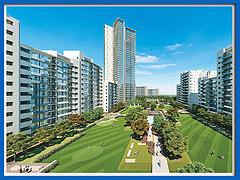
Office space absorption in Bangalore fell by 24% in 2012 compared to 2011 due to weaker demand from the IT and ITeS sectors, impacted by the global economic slowdown.
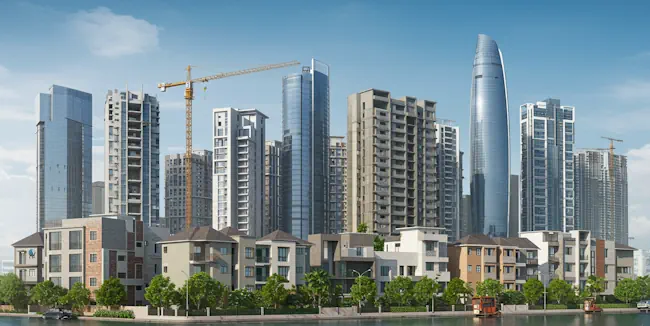
Indian companies face profit declines and slower revenue growth, as rising costs and falling demand impact earnings, particularly among major industry players.

IMF chief Christine Lagarde emphasizes the need for a robust financial sector to drive economic growth, citing it as a key lesson from the global slowdown.
DLF abandons mall plan in Chennai due to recession, seeks residential project approval.
Ambuja Realty is expanding into real estate, hospitality, life care, and education despite the economic slowdown. The company has invested ₹1200 crore in projects since its inception.
Retail space development in India lagged by 54% in 2008, with only 34 of 74 planned malls delivered. High vacancy rates and economic slowdown contributed to developers deferring projects.

Premium hotel room rates drop 25% due to occupancy decline. Hotels target steady segments like cabin crews and long-stay programs to combat the slowdown.
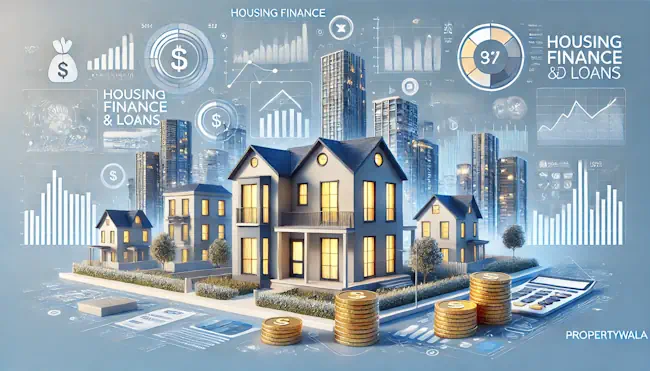
The RBI may cut interest rates sooner and more aggressively than planned due to the Mumbai terror attacks and the economic slowdown. The attacks targeted key business hubs, impacting investor confidence. Analysts expect further rate cuts to counter the slowdown and bolster the economy.
Real estate sector faces slump due to high interest rates and economic slowdown, forcing developers to focus on affordable housing in Tier-II and Tier-III cities.

Parsvnath Developers postpones retail expansion due to economic slowdown, but SEZ stake sale to private equity investors nears finalization.
Indian real estate sector witnesses price drop due to economic slowdown, inflation, and liquidity crunch, making it a good time for home buyers.
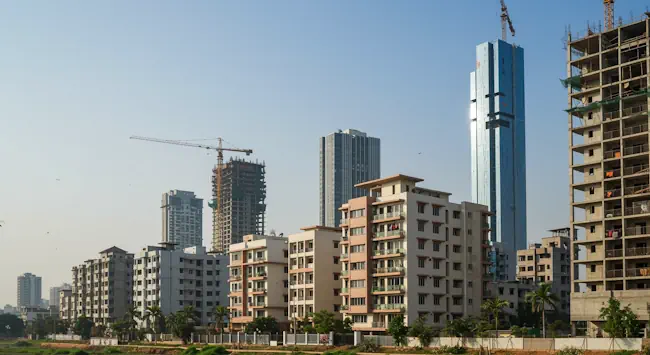
The Indian real estate sector has seen a significant slowdown, with sales dropping 30%-40% as inflation and liquidity issues strain the market.
India's office space absorption dropped 41% in the first three quarters of 2008 due to the global economic slowdown, impacting office rentals.
A global real estate consultant warns that the US economic slowdown could reduce demand for IT/ITeS office space in Gurgaon and Noida in 2H08, impacting growth in Delhi NCR suburbs.
India's commercial real estate sector is experiencing a slowdown due to the general economic downturn, impacting demand and rental values across major cities.

While major markets like the US and UK face scrutiny, Asian real estate remains resilient, demonstrating growth amidst global economic challenges.