
CREDAI urges Bengal government to repeal the Urban Land Ceiling Act, citing it as a hindrance to real estate development.
CREDAI criticizes MHUPA's new Real Estate Bill, fearing increased corruption and negative impact on affordable housing and the real estate sector.
Punjab Government Announces New Real Estate Policy by December; Focuses on Infrastructure and Power Sufficiency

CREDAI welcomes Andhra Pradesh government's online building plan approval system, anticipating reduced costs, faster approvals, and decreased corruption in real estate.

RBI's decision to hold key policy rates steady has disappointed real estate developers, who were hoping for a reduction in borrowing costs. Industry leaders believe this will negatively impact the sector and hinder funding for projects.

Maharashtra High Court orders real estate builders to pay 5% VAT by October 31, but many developers are pressuring buyers to pay due to lack of proper records.

CREDAI urges faster environmental clearances to meet the rising housing demand. Lalit Kumar Jain highlighted project delays due to the Ministry of Environment.

Odisha real estate developers welcome the government's decision to allow 51% retail FDI, believing it will boost the real estate sector and the state's economy.

Odisha real estate developers welcome the government's decision to allow 51% FDI in retail, believing it will boost the real estate sector and the state's economy.
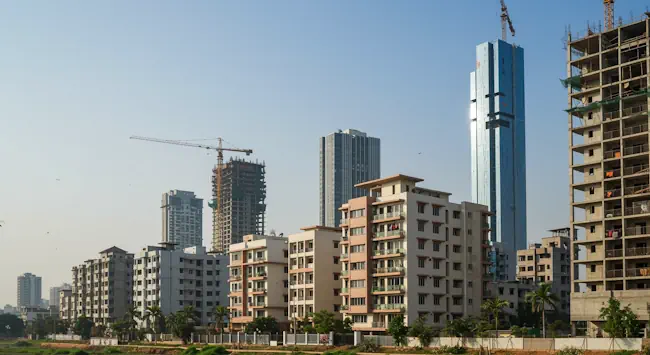
CREDAI criticizes Maharashtra's policies as investor-unfriendly, prompting a shift towards Gujarat for real estate investment, driven by high costs and slow approvals in Mumbai.

CREDAI anticipates a 20% rise in housing sales in major Indian cities, spurred by lower interest rates. They also address environmental clearance delays.

West Bengal government plans to allow real estate builders to resume construction of townships after a six-month halt. The state may grant 14Y clearance for projects if 51% is set aside for commercial purposes.

CREDAI urges 10,000+ members to reject bribery, combatting corruption allegations in real estate. President Lalit Kumar Jain announced an "all-out war" against corruption, advocating for administrative reforms and transparency.
A new MoU between CREDAI and KSFES aims to streamline fire safety certification processes, although concerns about credibility and rapid approvals have been raised.

CREDAI expels and witnesses the resignation of several developers over non-compliance with its transparency-focused code of conduct.
India's Real Estate Regulation Bill delayed, key changes made to draft, including reduced area size for compulsory registration

Mumbai builders cancel their planned strike after negotiations with the Chief Minister regarding delayed project approvals and the establishment of a housing regulator.
Real estate prices in Coimbatore have increased 25-30% due to rising land, material, and labor costs, impacting affordability and the middle-income segment. Developers emphasize the need for infrastructure development to mirror Chennai's growth.

The RBI's decision to cut key lending rates by 50 basis points is seen as a significant boost for the real estate sector, benefiting both developers and home loan customers.

Realty firms appreciate RBI's decision to cut short-term lending rate, expecting reduced costs for both homebuyers and developers. It anticipates a boost in property demand.
Surat’s real estate sector has witnessed a 100% growth in the past two years, driven by vertical development, business opportunities, and infrastructure projects.

CREDAI criticizes BDA's redefined "apartment" and "group housing," citing vagueness and potential harassment for homeowners in Bhubaneswar.

Despite price rises of up to 166% in some Indian cities, NRI investment in real estate remains strong, driven by desire for a second home and favorable government policies.
Mr. Lalit Jain from CREDAI advocates for reforms to boost housing construction, urging the Central Government to address delays, land costs, and taxation issues.
Real estate developers clash with Maharashtra government over mandatory 20% EWS housing reservation in new projects.