
In response to RBI's new loan policy, developers are introducing offers and freebies to attract buyers amid an economic slowdown and unsold inventories.
Real estate investment requires careful consideration of funding, location, and developer reputation. Long-term investment strategies are advised, given the average annual price growth of 12-15% in major Indian cities.
Noida Authority to allot 900 flats at cheaper rates this Diwali, targeting LIG & EWS sections
Environmental activists surveying Mulayakad island in Kochi discovered significant mangrove destruction by real estate developers encroaching on Vembanad lake for development.
MHADA plans to redevelop Motilal Nagar Housing Colony in Goregaon, offering 600 sq ft flats to existing residents and constructing 32,000 additional affordable units.

Salman Khan owns Gateway Apartment, a luxurious residence in Bandra worth Rs.110 Cr, housing his family and exhibiting exceptional design and amenities.
The housing sector is expected to face a supply shortage this year, with under-construction projects progressing slower than anticipated. Buyers may face delays as completion targets are unlikely to be met.
Real estate investment in Uttar Pradesh surged 106% between 2008-09 and 2012-13, attracting Rs. 14,000 crore and ranking sixth nationally, according to ASSOCHAM.
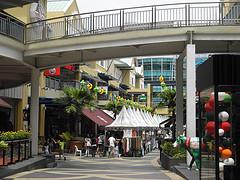
Hines Realty from the US plans to enter India's residential market through joint ventures, focusing on mid-segment housing and possibly hotel projects in Delhi-NCR and Mumbai.
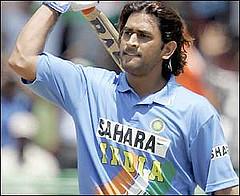
Indian cricket captain M.S. Dhoni is building a luxurious farmhouse on a one-acre plot gifted to him in Ranchi, Jharkhand. The property includes various amenities such as game pools, a swimming pool, a gymnasium, and a sports photo gallery.
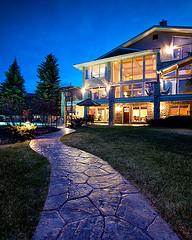
Mumbai property rates soar 66% in four years due to land scarcity and limited supply, defying expert predictions of price correction.

Gurgaon faces severe power and water shortages, impacting residents and raising concerns about civic standards. Waste management issues further compound the problems.
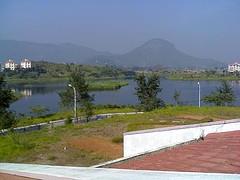
Guwahati's real estate market is witnessing a significant boom, with rising demand for residential and commercial projects amid an economic revival in Northeast India.
Bollywood actor Imran Khan has paid tribute to his grandfather, Nasir Hussain, by naming his renovated ancestral home 'NH Bungalow'. The housewarming party was a star-studded event.
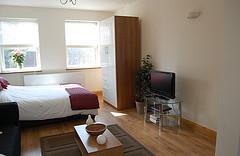
Home sales across major Indian cities continue to plummet despite developers offering incentives, with Hyderabad experiencing the steepest decline of 46%.
The real estate market in Kota, boosted by coaching centers for IIT and medical entrance exams, sees high demand for 1 BHK and studio apartments.
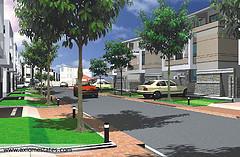
Developers in Mumbai are slashing prices for new launches by up to 15% to stimulate home sales amid sluggish market conditions, aiming to attract buyers.

Mumbai's residential property prices have increased by 2.9% to Rs. 11,626 per sq. ft. However, property sales have slowed down, with only a marginal increase of 1%.
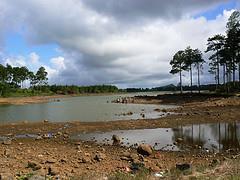
Water shortages are impacting real estate construction, especially in urban areas. Increased costs for water are driving up property prices and potentially halting projects.
Bangalore leads India with seven housing projects for seniors, surpassing other cities like Chennai and Pune, according to a JLL report focused on senior housing development.
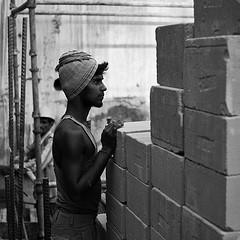
Construction workers in Noida protested violently over unpaid wages, setting vehicles on fire and damaging property. Two workers were injured by security guards, who were later arrested.
Soaring property prices deter buyers, leaving developers with unsold inventory and financial struggles. Major cities face declining sales, impacting developers like Mantri Realty.

Supertech collaborates with Disney India to design themed interiors for a new residential project, catering to the rising demand for branded homes in Delhi-NCR.

Vasundhara Enclave in Delhi-NCR has the potential to attract end-users but is facing weak demand for housing units. Property prices are stable with low demand.
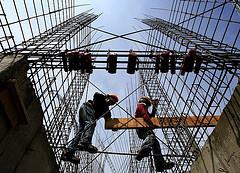
Project delays plague NCR's residential market, causing a 31% drop in new launches and leaving 140,000 unsold units, impacting homebuyers and developers.