Infrastructure Revolution Reshapes Trichy's Property Market
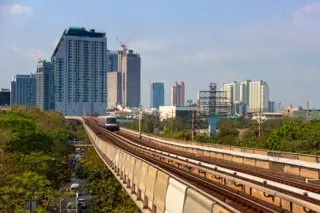 Trichy has become Tamil Nadu's infrastructure hub, with major transit developments fundamentally changing residential demand patterns. The city's focus on connectivity infrastructure creates unprecedented opportunities for developers and investors targeting transit-based developments.
Metro Rail Network Drives Urban Expansion
The Chennai Metro Rail Project completed detailed feasibility reports for Trichy's Mass Rapid Transit System in 2023, proposing a 45-kilometre network. This system includes two strategic corridors: a 19-kilometre route from Samayapuram to Vayaloor with 19 stations, and a 26-kilometre stretch from Thuvakudi to Panjapur with 26 stations.
These corridors connect residential areas to commercial hubs, making previously peripheral locations attractive for township developments. Developers are focusing on mixed-use projects that include both residential and commercial spaces, anticipating significant appreciation once construction begins.
Bus Terminal Integration Transforms Regional Connectivity
The Panjapur Integrated Bus Terminal, inaugurated in May 2025, is Tamil Nadu's largest fully air-conditioned transit hub. Covering 115 acres with a ₹246 crore investment, this terminal changed Trichy's transportation dynamics by handling long-distance and interstate traffic while reducing urban congestion.
This infrastructure catalyst triggered massive residential development in three key zones:
Panjapur sees immediate growth with developers pursuing mixed-use zoning projects. The terminal's 120 commercial spaces attract retail and warehousing facilities, creating employment opportunities that drive residential demand.
Kallikudi acts as a secondary growth corridor where existing residential areas focus on vertical development to accommodate increased population density.
Lalgudi benefits from the state-approved ₹24 crore bus stand project spanning 5.3 acres, showing government confidence in southern Trichy's connectivity potential.
Investment Strategies Target Transit Corridors
Developers use sophisticated strategies to capitalize on infrastructure improvements. Gated residential communities feature smart amenities including community centers and fitness facilities. Commercial conversions transform older CBD buildings into offices and retail spaces as transportation shifts to Panjapur.
The outer ring road development and new flyovers further enhance connectivity, making suburban areas like Mannarpuram Extension increasingly viable for large-scale residential projects. These infrastructure investments create multiple appreciation drivers for property investors.
Future Outlook: Sustainable Growth Through Connectivity
Trichy's comprehensive mobility plan recommends expanding the bus fleet to 1,257 vehicles by 2042, with 50% being electric buses. This sustainable transportation vision, combined with metro rail development, positions the city for long-term residential growth.
Investors targeting areas with robust public transit infrastructure find themselves well-positioned for sustained returns as Trichy transforms into a regional powerhouse through strategic infrastructure development.