Navi Mumbai's Transformation: Infrastructure as the Catalyst
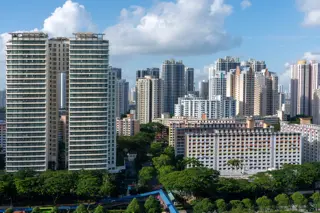 2025 marks a major turning point for Navi Mumbai’s real estate landscape, driven by significant infrastructure advancements. The Mumbai Trans Harbour Link (MTHL) the longest sea bridge in India has reached completion, dramatically shortening travel time between Mumbai and Navi Mumbai. This engineering marvel connects the city directly to Mumbai’s urban core, opening the floodgates for residents and investors alike.
Navi Mumbai International Airport Redefining Regional Connectivity
The Navi Mumbai International Airport (NMIA) is currently 57% complete and slated for phased operational launch during 2025. Positioned as a futuristic aviation hub, NMIA promises to relieve pressure on Mumbai’s congested airport and stimulate economic activity.
The airport’s metropolitan-scale influence is clear in rising residential interest in adjacent zones such as Panvel, Ulwe, and Dronagiri. Enhanced connectivity and employment growth drive demand for both commercial and residential properties.
New Connectivity Corridors: Unlocking Peripheral Zones
Beyond MTHL and NMIA, a constellation of connectivity projects reshapes Navi Mumbai’s suburban map. Transit infrastructure initiatives include:
- Metro Expansion: The Gold Line and Metro corridors integrate NMIA and other suburbs with Mumbai’s broader transit system.
- Road Tunnel Projects: Upcoming tunnels and expressways reduce commute times and ease congestion.
- Waterways and Coastal Roads: These enhance transit options, reducing bottlenecks and improving regional accessibility.
These corridors inject unprecedented mobility, allowing erstwhile peripheral locales to emerge as new residential and commercial investment frontiers.
Investment Opportunities and Real Estate Dynamics
CIDCO’s orchestrated developments spanning affordable housing, corporate hubs like Aerocity, and education complexes underscore a commitment to sustainable urban growth. Residential properties near these nodes involve a spectrum of affordable to mid-segment homes, offering varied entry points for investors.
The infrastructural synergy ignites progress in:
- Property prices surge due to improved transit connectivity..
- New housing projects capitalizing on proximity to major projects.
- Commercial and hospitality sector growth driven by Aerocity and international corporate parks.
Conclusion: A New Chapter for Navi Mumbai's Residential Market
With the Mumbai Trans Harbour Link operational and the Navi Mumbai International Airport advancing robustly, 2025 stands as a watershed year for Navi Mumbai’s real estate. The synergy of large-scale infrastructure projects is dismantling traditional suburban boundaries, fueling both demand and development in areas once considered remote. For investors and homebuyers alike, the transformation signals fertile ground for opportunity in one of India’s fastest-evolving regions.