Sustainable Real Estate in Noida: Emerging Trends and Certification Impact
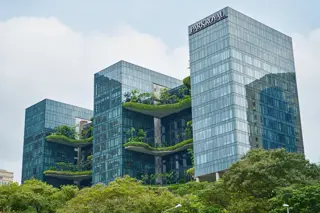 Noida has become a model for sustainable urban development in India, blending eco-friendly design with modern amenities. This change is driven by certifications like IGBC and government initiatives, reshaping market dynamics and attracting eco-focused investors.
Green Certifications Redefining Standards
IGBC-Leed Certified Projects Lead the Charge
Noida’s commercial real estate is setting new sustainability benchmarks through IGBC-certified projects like ACE Capitol (Sector 132) and ACE 153 (Sector 153). These projects focus on energy-efficient systems, water conservation, and advanced material use, serving as templates for future developments.
Key Features of Certified Projects:
- Energy Efficiency: Solar integration and lower carbon footprints
- Water Conservation: Rainwater harvesting and graywater recycling
- Indoor Environmental Quality: Improved air quality and natural light
- E-mobility Infrastructure: Dedicated e-vehicle charging stations
Market Impact: Premiums and Investor Confidence
Sustainable projects in Noida command a 10-15% premium over traditional developments. This is due to long-term cost savings and attractive ROI prospects. For example, CRC Group’s Sector 140A projects combine eco-friendly layouts with strategic locations near the Noida International Airport, enhancing property values and investor appeal.
Commercial vs. Residential Trajectories
| Aspect | Commercial Focus | Residential Focus |
|---|---|---|
| Primary Goals | Energy efficiency, scalability | Biophilia, green spaces, community living |
| Key Projects | ACE Capitol, ACE 153 | CRC Group developments, Max Estates |
| Certification Emphasis | IGBC, LEED ratings | Energy-efficient amenities, waste management |
Residential developments like Max Estates focus on biophilic design, integrating open green spaces covering 46.47% of urban areas, while commercial hubs emphasize e-mobility and eco-materials.
Global Recognition: UN’s Sustainable Cities Plan
Noida’s inclusion in the UN’s Global Sustainable Cities 2025 initiative highlights its commitment to sustainable growth. Selected in the “University City” category, Noida aims to leverage its academic institutions for eco-innovation and carbon-neutral infrastructure.
Challenges and Innovative Solutions
Balancing affordability with sustainability is crucial. Public-Private Partnerships (PPPs) and government schemes like PMAY help develop eco-homes in Greater Noida and Faridabad. However, rising material costs pose challenges for budget-friendly projects.
The Future Landscape
Integrating Green Spaces into Urban Fabric
- Mixed-Use Developments: Residential-commercial zones with green terraces
- Future-Ready Infrastructure: Upcoming metro lines and roadways will reduce travel time and connect neighbouring cities.
- Eco-Tourism Potential: Parks and recreational areas boosting lifestyle quality
Noida’s evolution from a suburban area to a sustainable hub shows the balance between environmental stewardship and economic growth. As certifications become linked to quality and governments incentivize green building, Noida will likely lead India’s sustainable real estate revolution.