The Infrastructure Revolution Transforming Bengaluru's Edges
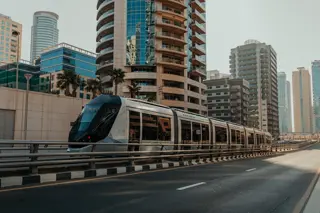 Bengaluru's huge infrastructure boom in 2025 is opening up new chances for smart real estate investors. The Namma Metro's grand plan to cover 314 kilometers has already caused a major shift in housing demand across areas that were once ignored.
Metro Network Expansion: The Game Changer
The current Phase 3 and Phase 4 projects are linking outer Bangalore like never before. Important routes include the JP Nagar to Kempapura line and the airport link from KR Puram to Kempegowda International Airport. These aren't just transport routes, they're wealth generators.
Phase 3 Highlights:
- Sarjapur to Hebbal Red Line extension
- Hebbal to Kadabagere Dark Blue Line
- Improved western peripheral connectivity
Suburban Rail: The Missing Link
The Bengaluru Suburban Rail Project, stretching 148 kilometers with 64 stations by 2026, will connect satellite zones like Yelahanka, Hebbal, and Devanahalli. This connectivity revolution makes suburban living both practical and profitable.
Hot Investment Areas Emerging
Smart money is heading to places that were once too far away. Devanahalli, Yelahanka, Bommasandra, Kengeri, and Sarjapur have changed from remote spots to top real estate spots in the future.
Why These Areas Matter:
- Lower prices compared to established areas
- Government-backed infrastructure projects
- High potential for value growth before market saturation
The B-SMILE Factor
The Karnataka government's ₹7,000 crore B-SMILE project is upgrading roads, flyovers, and drainage systems across the city. Combined with metro expansion, this creates a perfect storm for development in peripheral areas.
Investment Strategy for 2025
Investors should look at properties within 2-3 kilometers of upcoming metro stations. Buyers are interested in areas like Sarjapur Road and Kodathi Village due to promised connectivity improvements.
The chance for affordable investment in these new corridors is quickly closing. As metro lines start operating, property values usually jump by 20-40% within the first two years of connectivity.