Luxury Real Estate Surge: Decoding Bangalore’s High-End Housing Boom
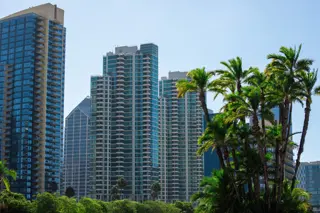 Bangalore’s luxury housing market is seeing explosive growth, with ₹1,000 crore in luxury home sales reported in FY25—marking a 59% year-on-year surge. This rebound raises critical questions: Is the market entering a golden era, or are these figures a temporary spike? This analysis unpacks the drivers behind this surge, identifies thriving premium zones, and evaluates challenges shaping the sector’s trajectory.
Market Performance: Boom or Bubble?
Recent data reveals 78 luxury homes valued at ₹10 crore+ were sold in the past fiscal year, up from 51 units in FY24. The sweet spot lies in ₹10-12 crore apartments, favoured for their balance of exclusivity and investment potential. However, this surge isn’t isolated—residential prices in Bangalore rose 79% over five years, outpacing India’s other metros. Key factors propelling this growth include:
- IT and Startup Ecosystem: Bangalore’s status as India’s Silicon Valley continues attracting CXOs, founders, and global Indians seeking strategic investments.
- Infrastructure Push: Ongoing projects like Namma Metro Phases 2 & 3, Satellite Town Ring Road, and Bangalore-Chennai Expressway NE7 are boosting connectivity and desirability in peripheral zones.
- Evolved Buyer Preferences: Demand for penthouses, bespoke villas, and sustainability-focused properties reflects a shift toward experiential living.
Demand Drivers: What’s Fueling the Surge?
Three core dynamics are reshaping Bangalore’s luxury landscape:
1. Aspirational Living Meets Strategic Investment Buyers now prioritise lifestyle-driven purchases over mere real estate. For instance, luxury apartments in Whitefield and Sarjapur Road offer proximity to tech hubs while delivering returns rivalling traditional investments.
2. Global Indian Influx High-net-worth individuals (HNIs) and ultra-high-net-worth individuals (UHNIs) are investing heavily, with nearly 50% expecting returns between 12%–18% annually.
3. Regulatory and Market Risks Developers face fluctuations in raw material costs and evolving compliance standards, requiring adaptive strategies to maintain profitability.
Premium Zones: Growth vs. Plateau
Certain micro-markets are outperforming others:
| Thriving Zones | Stagnant Areas |
|---|---|
| Whitefield | Central Business District |
| Sarjapur Road | Non-metro linked peripherals |
| Bangalore North | Mature South locales |
| Outer Ring Road (ORR) | Low-connectivity zones |
Growth Hotspots Explained
Whitefield: A’tie between tech parks and luxury housing, driven by IT-sector demand for spacious apartments.
Sarjapur Road: Emerges as a smart city contender, aided by Chennai Expressway NE7 and Metro Phase 3 access.
Bangalore North: Improvements in infrastructure, such as the Satellite Town Ring Road, have connected it to key economic hubs.
Challenges and Outlook
While growth is robust, hurdles exist:
- Regulatory Overhead: Compliance costs for sustainability and smart home tech impact margins.
- Market Saturation: Over-concentration in established zones may lead to oversupply over time.
Future Trends: Staying Ahead
To capitalise on this boom, stakeholders must align with emerging priorities:
- Tech-Integrated Living: Smart home systems and VR-enabled property tours are becoming non-negotiable.
- Sustainable Housing: Green certification and eco-friendly designs are increasingly valued by eco-conscious buyers.
- Bespoke Spaces: Demand for modular interiors and customization options signals a shift toward personalized luxury.
Conclusion: A Balanced Assessment
Bangalore’s luxury market has transitioned from cautious optimism to data-backed exuberance. Sustained growth hinges on balancing infrastructure expansion with evolving buyer expectations. While threats of market saturation loom, well-planned projects in ('${10 crore-tier zones'}) aligned with IT-centric demand remain compelling opportunities. For investors and buyers alike, the message is clear: dynamism breeds opportunity in this rapidly evolving sector.