The Connectivity Catalyst: Why Roads Reshape Real Estate
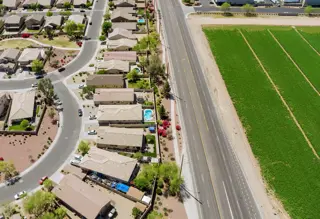 When new highways slice through rural landscapes, they don’t just transport vehicles, they transform economic trajectories. Virginia’s I-95 corridor enhancements catalysed a buyer surge in Stafford County, where commute times to Washington D.C. plummeted by 40%. Suddenly, quiet subdivisions morphed into hotbeds for remote workers seeking space without sacrificing urban access. Accessibility isn’t just convenience; it’s the bedrock of valuation shifts in overlooked markets. Consider how Spotsylvania evolved from a sleepy commuter town to a bustling residential hub as housing inventory dropped 30% amid infrastructure anticipation.
How Road Projects Reshape Peripheral Markets
Three interconnected dynamics emerge when asphalt meets ambition:
- Pricing Surges: Harrisonburg’s I-81 expansion triggered 35% land value spikes within two miles of new interchanges. Exit proximity now commands premiums mirroring urban zip codes, with residential parcels near ramps appreciating faster than those just one mile distant.
- Accessibility Arbitrage: Buyers exploit “commute compression,” trading cramped city living for acreage-rich properties while maintaining tolerable work commutes. This reshapes demand curves, turning former farmland into sought-after subdivisions overnight.
- Speculative Frenzy: Investors swarm parcels near proposed routes, betting on completion timelines. In Spotsylvania, pre-construction plots sold at 22% annualised returns post-highway opening, creating a gold rush atmosphere among developers.
Yet temporary disruptions, noise, dust, and detours can stall transactions. Savvy agents reframe these as transitional phases: “This construction zone today becomes your prime access point tomorrow.”
Strategic Moves for Buyers and Brokers
Track these nuanced indicators to capitalise on infrastructure waves:
Project Timeline Alignment: Cross-reference VDOT completion estimates with zoning approvals. Prices often peak 6-9 months before road openings as market anticipation builds.
Demand Catalysts: Monitor employer relocations, when logistics firms choose Winchester’s expanded corridor, residential demand increases
Hidden Pitfalls: Verify project stages via DHCD portals to avoid risks.
Monitoring Projects for Long-Term Gains
Forward-thinking agents treat infrastructure maps as crystal balls. Those tracking WMATA’s Silver Line extensions in Loudoun County secured undervalued parcels that tripled in value within five years. While contractors pour concrete, investors analyse traffic studies to identify underpriced gems. Brokers leveraging VDOT dashboards spot opportunities before mainstream listings, guiding clients toward properties where today’s inconvenience becomes tomorrow’s premium address. Infrastructure projects build foundations for generational wealth in peripheral markets.