The Metro Revolution Begins
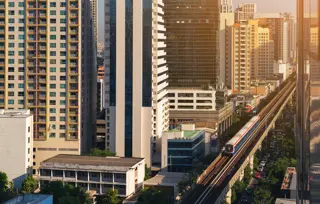 Construction on Gurgaon's ambitious metro expansion kicked off in May 2025, marking a pivotal moment for the city's rental landscape. The 28.5-kilometer network spans 27 strategically positioned stations, connecting corporate powerhouses with residential neighborhoods across Old Gurgaon. This infrastructure transformation has already begun reshaping how tenants evaluate properties and how landlords price their offerings.
Shifting Rental Dynamics
Transit proximity has become the new gold standard for tenants. Properties within walking distance of metro stations command premium rents, while landlords adjust pricing strategies to capitalize on enhanced connectivity. The Hong Kong Market in Sector 57, Ardee City, and Millennium City Centre have emerged as rental hotspots, experiencing unprecedented demand from young professionals seeking convenience over space.
Tenant Preferences Evolve
Modern renters prioritize accessibility over square footage. Studio apartments near Maharana Pratap Chowk fetch higher rents than larger units in disconnected areas. Young professionals increasingly choose compact, well-connected homes over spacious properties requiring lengthy commutes. This shift reflects broader urban living trends where time becomes more valuable than physical space.
Market Segmentation Intensifies
The metro corridors have created distinct rental zones with varying price points. Premium segments flourish near Signature Tower and Atul Kataria Chowk, while mid-range options dominate peripheral stations such as Sheetla Mata Road. This segmentation allows landlords to target tenants with tailored offerings, from luxury apartments to affordable shared accommodations.
Investment Implications
Property investors are recalibrating portfolios toward transit-oriented developments. The four-year construction timeline presents both challenges and opportunities, with smart investors securing properties before completion drives demand skyward. Early adopters benefit from lower acquisition costs while positioning themselves for substantial rental yields once the metro becomes operational.