Coimbatore’s Infrastructure Transformation Revitalizing Property Markets
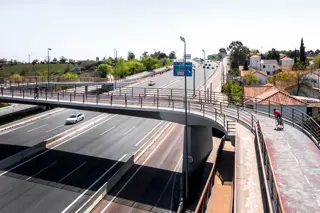 Emerging as Tamil Nadu’s next urban hub, Coimbatore is seeing massive infrastructure investments that promise to reshape its real estate landscape. From metro lines to industrial corridors, these projects are recalibrating property dynamics, offering developers and investors new avenues for growth.
1. Metro Expansions: The Backbone of Urban Connectivity
The Coimbatore Metro Project is the cornerstone of this infrastructure revolution. With land acquisition underway as of March 2025, its two-phase corridors, spanning 34.8 km and 32 stations are set to link critical transit nodes in ways never before seen:* Corridor I (20.4 km): Ukkadam Bus Stand to Coimbatore International Airport via Avinashi Road
- Corridor II (14.4 km): Coimbatore Junction to Valiyampalayam Pirivu via Sathyamangalam Road The elevated design minimizes land acquisition challenges while maximizing coverage.
This network will connect major landmarks like Podanur Railway Junction, Gandhipuram Bus Stand, and Vellalore Terminal. It will create seamless multimodal hubs. By aligning stations with existing transit points, the metro ensures that commercial complexes, tech parks, and residential hubs benefit from enhanced accessibility.
2. Road Networks and Industrial Corridors
Infrastructure development such as roads and metro in Sathyamangalam will reduce travel times and expand development zones. Collaborative efforts with NHAI and local authorities aim to:
- Boost cargo logistics for industrial Corridors
- Create Peripheral Growth Areas beyond core city limits
- Enable mixed-use development in transit-accessible locations
Plans for industrial corridors likely sourced along Sathyamangalam Road could attract manufacturing units and IT parks, triggering demand for logistics real estate, industrial estates, and affordable housing for workers.
3. Impact on Property Accessibility and Pricing
These projects are rapidly altering property valuations:* Accessibility Premium: Stations and corridors see increased footfall, favoring commercial spaces, co-working centers, and retail establishments Peripheral Development: Untapped suburbs near metro lines may emerge as future residential hotspots
- Leasing Surge: Transit-linked areas could see higher rental yields for office spaces and mixed-use complexes