The Farmland Investment Revolution in Hyderabad
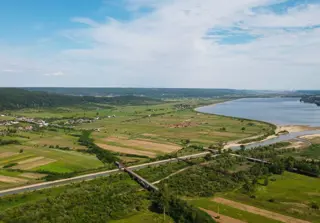 Hyderabad's agricultural periphery has become a surprising hotspot for smart investors. Farmland sales in the city's outskirts have jumped by 30-40% over the last three years. 2025 is seen as a crucial year for this asset class.
Key Growth Drivers Reshaping the Market
Infrastructure-Led Development
The Telangana government's Strategic Road Development Plan (SRDP) has changed connectivity around Hyderabad. Multi-level flyovers, metro rail extensions, and road widening projects have turned previously remote farmlands into accessible investment opportunities.
Urban Sprawl Dynamics
Rapid urbanization is a two-sided sword. While agricultural land is expected to shrink by 18% by 2025, this scarcity raises prices for the remaining plots. Areas like Shankarpalli and Yelwarthy are seeing high demand as they shift from agriculture to mixed-use zones.
Lifestyle Investment Trend
Post-2020 lifestyle changes have changed investment preferences. Urban professionals are increasingly looking at farmland for weekend retreats, organic farming, and sustainable living. This shift has fundamentally changed market dynamics.
Comparative Asset Performance
Farmland around Hyderabad has done better than traditional real estate sectors. While residential properties in areas like Gachibowli showed 33% appreciation between 2020-2023, prime farmland locations have matched or exceeded these returns with lower entry barriers.
Investment Risk Assessment
Regulatory Challenges
Land acquisition policies and rules pose big hurdles. Investors need to navigate complex follow-up approval processes for land-use changes.
Market Volatility
Rapid appreciation rates might indicate a bubble. The 30-40% growth trajectory may not last long-term without matching infrastructure delivery.
Liquidity Constraints
Farmland investments usually need longer holding periods compared to urban real estate, limiting quick exit strategies.
Strategic Investment Outlook
Hyderabad's farmland market is a unique blend of urbanization pressures, policy support, and changing investor preferences. However, due diligence regarding legal compliance, water rights, and development potential remains crucial for sustainable returns.