Why Green Certifications Boost Delhi Property Values
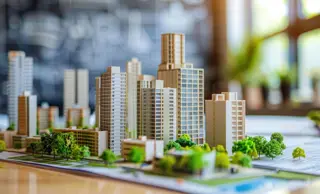 Delhi's luxury market sees LEED and GRIHA certifications as huge profit boosters. Data shows that certified properties sell for 10-15% more and rent for 10-20% higher. Energy-efficient and smart integration systems cut utility bills by 30% while water recycling reduces costs. These savings increase net operating income, making certified properties irresistible to investors.
Top Green Premium Hotspots in Delhi
Indira Paryavaran Bhawan (Lodhi Road)
MNRE’s headquarters is India’s first net-zero energy government building with dual GRIHA 5-star and LEED Platinum certifications. Its 1.4 MW solar array cut energy use by 40%, saving ₹2.1 crore annually. In Lodhi Colony, property prices have risen by 11% in just two years due to the clear green effect.
South Delhi’s Eco-Residential Boom
GRIHA-certified projects like Lodha Bellissimo in Vasant Vihar sell 15% faster. Air quality monitoring systems and 60% reduced water usage attract health-conscious buyers. Secondary market values went up 14% in 2023, outperforming non-certified luxury apartments.
How Premiums Are Generated
- Operational Savings: A GRIHA-rated office building saves ₹4.5 crore yearly on utilities (Pune case study applies to Delhi).
- Regulatory Benefits: Delhi offers 5% property tax rebates and faster approvals for green-certified projects.
- Investor Attraction: 78% of institutional buyers favour certified assets, citing lower ESG risks.
Certification Pathways for Delhi Developers
GRIHA targets buildings over 2,500 sq.m, with recertification starting at ₹1.5 lakh + GST. LEED fees range ₹4.5–5.9 lakh for 100,000 sq.ft. complexes. Key steps:
- Document energy models and sustainable materials
- Undergo TERI (GRIHA) or USGBC (LEED) audits
- Implement required upgrades for point thresholds
Why Developers Who Lag Risk Becoming Outdated
Delhi’s 2024 draft building code requires basic green features for all new constructions. Early adopters enjoy higher prices and tenant loyalty. With climate-conscious buyers driving 63% of luxury purchases, uncertified properties face devaluation. Sustainability is economically necessary.