
Pune’s housing market is climbing fast in 2026, with tight supply, metro-linked growth, and IT demand pushing prices higher across prime micro-markets.

Patna's real estate market defied broader challenges in Q3 2025, registering about 1,100 residential unit sales, a robust 22% year-on-year growth. Mid-income projects along highway corridors, aimed at government employees, fueled this rise. Affordable and mid-segment housing thrived, with inventory at 9-10 months as developers synced launches with PMAY demand.

Hyderabad's residential market surged 73% YoY in registrations of homes over Rs. 1 crore in October 2025, making up 23% of all sales and 54% of transaction value. From Jan-Oct 2025, total value hit Rs. 43,048 crore, up 25% YoY, with average prices 14% higher than 2024, signaling strong buyer demand and the city's rise as a luxury housing hub.

Pune's luxury housing market hit 15% share in September 2025, up from 14% last year, as properties over ₹1 crore gain traction. Knight Frank India and Cushman & Wakefield data show bigger homes above 800 sq. ft. at 29% of sales, fueled by IT growth and infrastructure boosts in areas like Hinjewadi and Kharadi.

Faridabad's affordable housing market faces a steep 15% sales drop in H1 2025, linked to US President Trump's 25% tariffs raising construction costs. Anarock reports homes up to Rs 45 lakh now just 18% of sales, down from 38% in 2019, as buyers shift to premium segments amid Delhi-NCR's broader slump.

Knight Frank's Q3 2025 report shows Bengaluru topping new residential launches with a 28% year-on-year rise, hitting 14,538 unit sales amid stable demand. While Mumbai and NCR dropped 19% each, developers like Prestige, Sobha, and Brigade target metro corridors and premium homes, fueled by tech jobs and buyer shifts toward high-end options.

Chennai leads India's residential real estate with a robust 33% year-on-year sales growth, selling 6,010 units in Q3 2025, while top seven cities face a 9% decline. Job creation from global capability centers and quality project supply fuel demand in mid, upper-mid, and luxury segments (₹40 lakh to ₹2.5 crore), accounting for 93% of new launches. Southern suburbs dominate with premium housing on..

According to Knight Frank India's latest report, Kolkata Metropolitan Area saw 6,196 home registrations in August 2025, up 15% from last year and 33% from July. Mid-sized apartments dominated, signaling robust market growth ahead of national averages.

ACE Group has achieved an impressive cumulative sales figure of ₹5,000 crore in residential and commercial properties along the Yamuna Expressway corridor. This milestone includes diverse projects such as plotted developments, integrated townships, apartments, and commercial spaces, highlighting the group's strong market presence.
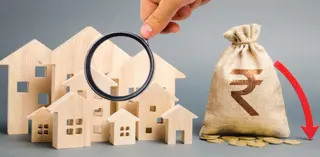
PropEquity data shows Thane's housing sales dropped 28% YoY to 14,877 units in Q3 2025. Maharashtra cities including Mumbai, Pune, and Navi Mumbai saw significant contractions while southern markets grew.
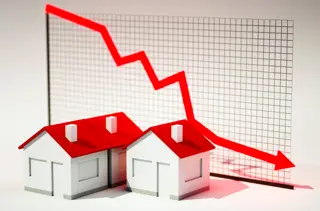
Chennai's property market surges with 14% price growth and record residential sales in 2025, yet institutional investments plummet 69%. Analysts point to infrastructure timing gaps and end-user dominance as key drivers behind this market paradox.
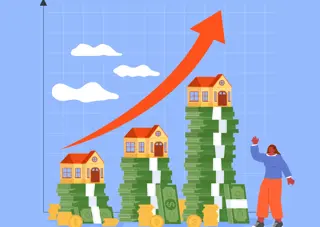
Pune dominated India's residential market in H1 2025, selling 44,000 units worth ₹32,800 crore, driven by surging demand for mid-range homes despite 27% price increases.

Ahmedabad's residential housing market demonstrated remarkable resilience with 3% sales growth, selling 25,000 units in H1 2025, while property prices climbed 7% despite 61% decline in new launches.

Thane's residential market posts highest-ever Q1 FY26 performance with 3,130 homes sold, driven by budget-friendly prices and skyscraper living. Demand remains strong despite price hikes, as infrastructure upgrades and affordability compared to Mumbai suburbs attract buyers.

Hyderabad's real estate market recorded 6,391 June 2025 property registrations, marking a monthly high despite 9% YoY drop, fueled by luxury and large home surges. Premium areas like Shaikpet and Kondapur saw multi-crore transactions as the luxury segment expanded to 21% of sales.

Chennai's residential property sales rose 12% year-on-year in H1 2025, spurred by infrastructure expansion, metro projects, and sustained IT sector growth fueling buyer confidence.

Despite strong demand, Jaipur recorded a 10% Q1 2025 drop in residential sales value contrasting with 17% growth in other state capitals across tier 2 cities. While urban infrastructure upgrades drive aspirational living supply-side challenges and delayed project completions temporarily dampened transactions. This dip highlights broader trends of premiumization in tier 2 markets.

Coimbatore's residential real estate market experienced a remarkable 52% year-on-year increase in sales value, reaching ₹1,120 crore in Q1 2025. This growth occurred despite an 8% drop in unit sales across India's top 15 tier-2 cities.

Noida's luxury housing market, particularly in sectors 143 and 150, experiences a 6-8% annual growth driven by young professionals seeking vertical living in secure, amenity-rich gated communities.
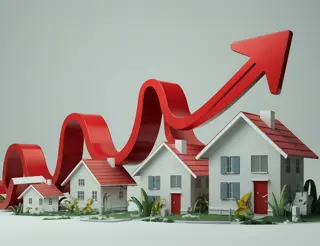
Lucknow's residential sector bucks national trend, recording a 25% rise in sales (1,301 units) and 48% value jump to ₹1,797 crore in Q1 2025, driven by infrastructure upgrades and employment growth.

Thane experiences a significant drop in housing sales and supply during Q2 2025, reflecting broader market challenges despite strong luxury developments.
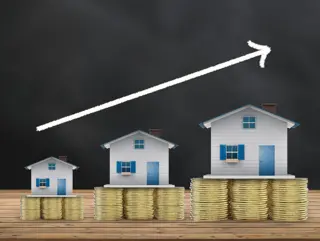
Faridabad's residential sales reached 6,205 units in H1 2024, fueled by infrastructure development and affordability within the NCR region.

Contrary to concerns, HYDRAA has boosted Hyderabad's real estate growth, with notable improvements in residential and commercial activities between June and November 2024.

Mumbai's real estate market experiences a typical monsoon slump, but post-COVID-19, pent-up demand and waterlogging have significantly influenced pricing and transaction volumes.
India's Q1 2024: 9% rise in home sales, 43% surge in office leasing, driven by global capacity centers, with Mumbai leading residential growth.