
Real estate experts predict a prosperous 2013, citing favorable government policies as key drivers for growth and transparency in the sector.
LIC Housing Finance Limited aims to establish a residential real estate fund of Rs.1000 Cr via external commercial borrowings to enhance affordable housing.

The real estate sector anticipates a prosperous 2013, following a challenging 2012 marked by slow market activity. Experts are optimistic, citing potential from policy changes and investments.
Finance Ministry plans to bolster the real estate sector by facilitating bank loans for builders with stalled residential projects, aiming to revitalize the sector and stimulate economic growth.

RBI's decision to hold key policy rates steady has disappointed real estate developers, who were hoping for a reduction in borrowing costs. Industry leaders believe this will negatively impact the sector and hinder funding for projects.

Mumbai real estate prices have declined due to higher interest rates, stricter housing loans, and increased repo rates. The RBI's strict lending policies and over-supply have also contributed to this drop.

According to CBRE, the Indian residential market saw significant price increases in 2009-2011, followed by stagnation in the latter half of 2011 due to multiple factors.
Mumbai's real estate market shows signs of recovery with increased property registrations and new project launches. Festive occasions, discounts and lower interest rates are driving demand.

RBI's annual Credit Policy sparks optimism in the affordable housing segment, with realtors hopeful for lowered interest rates. However, concerns over inflation persist.

Despite a slowdown in GDP, office space absorption in India remained consistent in 2011-12. However, the outlook for 2012-13 appears challenging for developers.
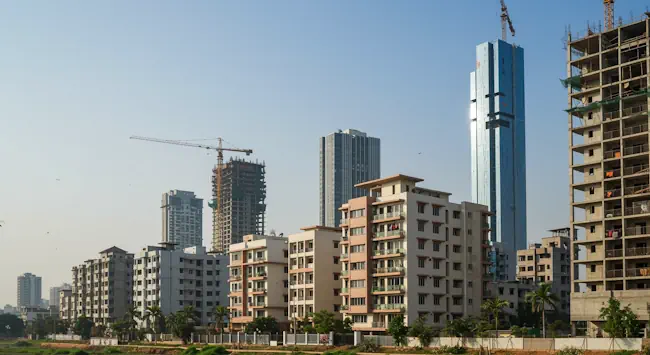
Indian real estate sector faces liquidity concerns due to global debt worries, with 2012 expected to be a challenging year with expensive debt, cautious private equity, and a rise in structured debt deals.

The RBI's decision to cut key lending rates by 50 basis points is seen as a significant boost for the real estate sector, benefiting both developers and home loan customers.

Realty firms appreciate RBI's decision to cut short-term lending rate, expecting reduced costs for both homebuyers and developers. It anticipates a boost in property demand.
JLL India predicts marginal appreciation in residential unit prices over the next 6 months, driven by improving affordability and demand, despite current market slowdown.
Mumbai faces a real estate crisis with Rs275 billion invested since 2005 yielding few returns, leaving many flats vacant and buyers confused amid rising costs and regulatory changes.

Sakal Pune Property Show leverages Gudi Padwa festivities to boost real estate sales, offering discounts and attractive deals to buyers amidst positive market sentiments.
Bank lending to commercial real estate sees 12.2% growth, driven by unlisted developers taking a larger share, despite claims of credit shrinkage from listed firms.
India's finance minister relaxes borrowing norms for real estate firms and extends loan subsidy for affordable housing, but industry leaders deem it insufficient.
NRIs are investing in residential real estate in large Indian cities, drawn by financial stability and a desire to stay connected to their motherland. This trend is driven by both emotional and investment motives.
The RBI's decision to raise policy rates will adversely impact the real estate sector, increasing property costs. Experts express caution about market reactions.
RBI's rate hike impacts homebuyers, say builders and bankers. Increased interest rates expected to further lower home sales as buyers reconsider purchases.
Multinational retailers like Walmart, Carrefour, and Tesco may soon be allowed to open stores in India under strict investment norms and sourcing conditions.

Real estate sector faces financial and regulatory challenges in the first quarter, impacting both projects and investors.
RBI's interest rate hike impacts real estate, increasing construction costs and home loan rates. Developers face a cash crunch, while potential homebuyers confront rising borrowing expenses.
SBI discontinues teaser home loan rates, aligning with RBI's directive. New rates range from 9.5% to 10.25%, based on loan amount, and are linked to SBI's base rate.