
Property prices in NCR's micro markets have nearly doubled, with notable growth in areas like Gurgaon's Golf Course Extension and Dwarka Expressway.

Home sales across major Indian cities continue to plummet despite developers offering incentives, with Hyderabad experiencing the steepest decline of 46%.
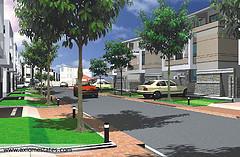
Developers in Mumbai are slashing prices for new launches by up to 15% to stimulate home sales amid sluggish market conditions, aiming to attract buyers.

Mumbai's residential property prices have increased by 2.9% to Rs. 11,626 per sq. ft. However, property sales have slowed down, with only a marginal increase of 1%.
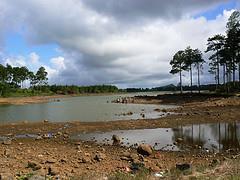
Water shortages are impacting real estate construction, especially in urban areas. Increased costs for water are driving up property prices and potentially halting projects.
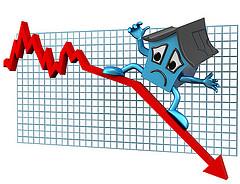
Soaring property prices deter buyers, leaving developers with unsold inventory and financial struggles. Major cities face declining sales, impacting developers like Mantri Realty.

The Land Acquisition Bill, after several amendments including a 50% compensation for landowners, has received consensus from all parties. However, developers and industry experts fear it will adversely impact the affordable housing sector.

Vasundhara Enclave in Delhi-NCR has the potential to attract end-users but is facing weak demand for housing units. Property prices are stable with low demand.

With the decline in gold prices, investors are opting for gold over real estate, causing a shift in investment patterns.

New project launches in Mumbai have significantly declined in Q1 2013 compared to Q4 2012, attributed to weak home sales and cautious developer strategies.

Navi Mumbai's realty sector hit by delayed international airport project, causing property price fall.
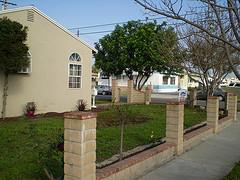
Home sales, particularly new launches, experienced growth between January and March, spurred by developer discounts. Bangalore and Mumbai saw improved sales.

Rajkot's real estate market is rapidly growing in Gujarat, with consistent property value appreciation. Demand for 2 BHK units and luxury homes is on the rise.

Pallavaram in Chennai sees a significant rise in property prices due to its proximity to major IT hubs, making it a top choice for home buyers and investors.
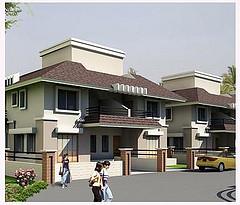
The housing ministry has suggested implementing a single-window clearance system to expedite project approvals. This move aims to reduce property prices by lowering builders' preservation costs.

Experts warn that proposed VAT increase in Kerala's 2013 budget could lead to higher construction material costs, impacting overall property prices in the real estate sector.
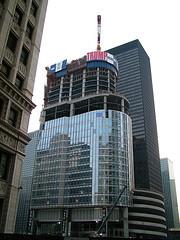
Commercial property investment is most lucrative in major cities with robust infrastructure, better connectivity, and higher rental appreciation compared to tier-II cities.

Chennai sees increased demand for resale homes, narrowing the price gap between new and resale properties partially driven by location, connectivity, and amenities.

Gurgaon's luxury housing market is shifting towards mid-segment luxury apartments, driven by rising property prices and a preference for premium amenities within a more affordable price range.

Government panel recommends single-window clearance to expedite real estate projects, aiming to reduce delays and potentially stabilize property prices.
The all-party meet failed to reach a consensus on the land acquisition bill, impacting farmers awaiting compensation and delaying infrastructure projects. Opposition parties strongly opposed the bill, despite government efforts to expedite its passage for economic boost.
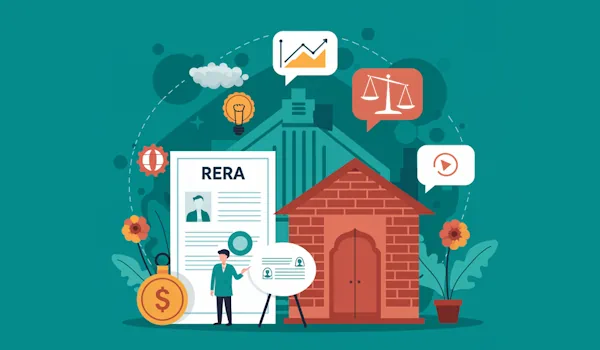
Budget 2013 offered limited benefits to the real estate sector, primarily aiding first-time homebuyers with tax deductions on home loans up to ₹25 lakh.

Delayed clearances for new buildings are hiking property prices in India by up to 40%, according to the Economic Survey 2013. This issue, along with higher land prices and stamp duty charges, poses challenges for the real estate sector.

The NCDRC has provided a crucial stay on the cancellation of over 100 flats in Noida Extension, relieving distressed homebuyers who faced issues from a developer.
Iyyapanthangal in Chennai has gained popularity due to enhanced infrastructure and connectivity, leading to increased property prices and demand.