
Delhi Development Authority (DDA) plans to redevelop 30 slum clusters with private developers, offering higher FAR for increased profitability, similar to Mumbai's successful projects.

Maharashtra, known as the 'Power House of India', is witnessing rapid development in both residential and commercial real estate. The state's industrial growth has boosted real estate demand in cities like Mumbai, Pune, and Nagpur.

Matheran Realty's lottery-style sale for 2,000 affordable flats in Karjat, priced at Rs 3 lakh, with funding from Eredene Capital and technical support from Sterling Construction Systems
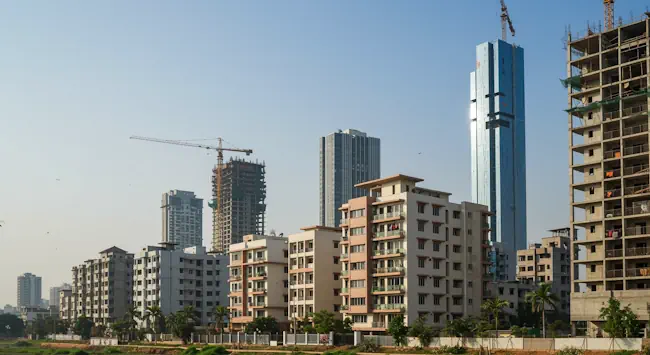
Parsvnath Developers eyes stake dilution to control debt amidst rising interest rates, reports 16% drop in Q1 net profit.
Prospective home buyers should prioritize affordability over fear of missing out, as current real estate prices are excessively high, with a 30% correction needed for sustainability.

Small developers are forced to sell projects to larger ones due to severe cash crunches, especially in tier II cities and metros.
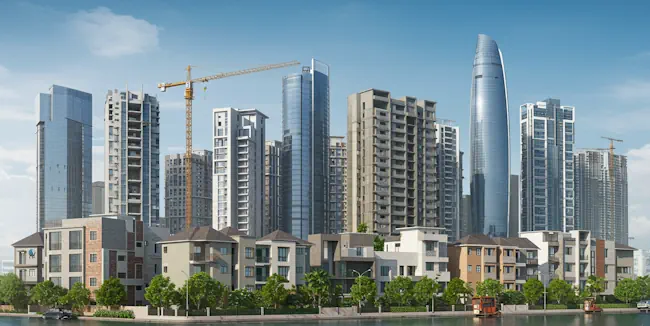
Wipro Infotech secures a decade-long IT project from Lodha Group worth Rs. 1.3 billion for services in India and the Middle East.

Four hotel chains bid for a five-star hotel plot in Navi Mumbai amidst falling land prices in Mumbai and surrounding areas.
JP Morgan Chase invests Rs 130 crore for 33% stake in Alok Infrastructure's SPV for a Mumbai realty project.

Donald Trump Jr. to invest $1bn in Indian real estate, with a Mumbai project, betting on economic growth.

The Indian real estate market welcomes new foreign investments, with companies from Russia and Europe poised to invest heavily in FDI-compliant property through the PE route, addressing liquidity issues faced by Indian developers.
India's IT boom fuels high demand for office space, but slowdown concerns rise, impacting commercial property market, particularly in Bangalore and Hyderabad.
A slowdown in real estate is observed, with residential transactions down 20-25%, while Mumbai experiences high demand despite challenges from rising interest rates and inflation.
Private Equity deals in Indian real estate and infrastructure reached $2.32 billion in H1 2008, a slight increase but with smaller deal sizes. Sluggish market conditions and funding challenges led developers to seek PE funding, with Red Fort Capital and others closing deals.
India's retail scene is thriving, with a rise in organized retailing and malls, while high street shops also maintain their appeal, showcasing a complementary growth strategy.
Narang Developers and Bombay Taximen Colony are in talks for a Rs 1,100 crore redevelopment deal, potentially surpassing the previous largest deal of Rs 900 crore between Kumar Developers and Khira Nagar residents.
Vijay and Deepak Raheja have split B Raheja Builders, establishing their own firms. The split, deemed amicable, leads to the division of ongoing projects between them.
Sobha Developers sold 40% stake in a Bangalore residential township project to Dubai's Pan Atlantic for $10 million. The project is estimated at 1.05 billion rupees.
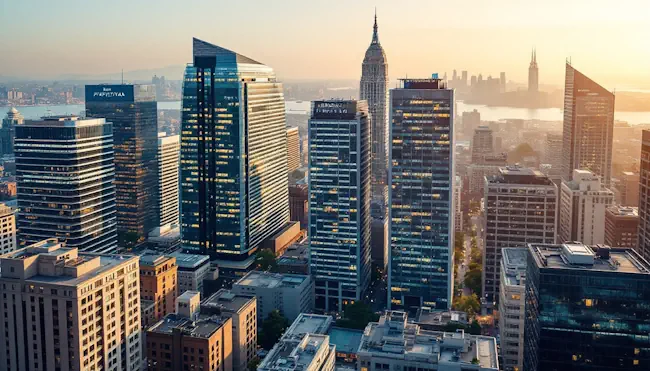
Starwood Hotels plans to expand Aloft brand in India across Chennai, Bangalore, Pune, and Ahmedabad starting 2009.
The Indian property market is experiencing a consolidation phase as liquidity issues lead mid-sized developers to sell off properties and attract investors.
Rising inflation and interest rates are slowing down property demand in India. A further interest rate hike could severely impact the real estate sector, except in Mumbai and Delhi where demand remains strong.
Hindustan Times Media Limited has acquired a 0.65% stake in Sunil Mantri Realty for 20 crore rupees to finance new projects, fostering potential growth.
51 Indian districts, including Tiruchirapalli, Amravati, Bhavnagar, Kamrup, and Jabalpur, hold significant market potential, almost double that of the top four metros combined.
Orbit Corp Ltd anticipates adding 8-10 billion rupees worth of projects in 2008/09, driven by redevelopment demand in South Mumbai. The developer forecasts 25% revenue growth despite a market slowdown.
Lehman Brothers invests $175 million in a Mumbai mixed-use project with Unitech and local partners. The project includes 1 million sq ft of office space, part of an 18 million sq ft master plan.