
The Housing Ministry proposes tax breaks, price caps, and interest rate freezes for first-time homebuyers. It also suggests debt-restructuring for realtors and encourages housing for low and middle income groups.

The real estate market in 2009 is expected to become more buyer-friendly due to property and home loan rate cuts, benefiting both borrowers and developers.
Government stimulus and RBI measures aim to revive the struggling Indian real estate sector. Interest rate cuts and priority sector lending for housing are expected to boost demand and ease the liquidity crunch faced by developers.

Public sector banks cut home loan interest rates, benefiting buyers in Mumbai's outskirts and other cities. The move aims to support the housing market, but some experts believe a greater impact would require higher loan limits and increased consumer confidence.
Realty stocks surged as reports emerged that state-run banks will introduce special home loan plans under a government stimulus package, offering interest rates as low as 8.5%.

The RBI may cut interest rates sooner and more aggressively than planned due to the Mumbai terror attacks and the economic slowdown. The attacks targeted key business hubs, impacting investor confidence. Analysts expect further rate cuts to counter the slowdown and bolster the economy.

Housing demand in tier-II and tier-III cities plummeted by 35% in the first half of the fiscal year, primarily due to increased borrowing costs, as per Assocham's assessment.
Indian real estate companies resist government pressure to lower prices, citing high taxes and low demand. Developers believe reducing interest rates is key to reviving the market.
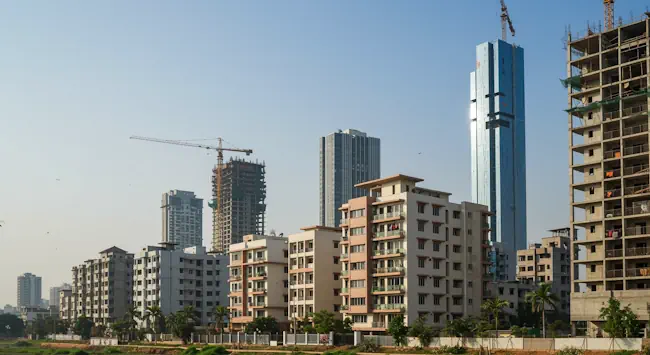
Mahindra and Mahindra declares no slowdown in its real estate ventures despite a general demand slump. Key cities like Jaipur, Chennai, and Faridabad are noted for strong performance.
Finance Minister P Chidambaram assured real estate developers that the government will encourage banks to boost lending and lower interest rates for affordable housing.

Experts believe that despite RBI's rate cuts, developers need to adjust prices to stimulate the sluggish residential market and address declining revenues.
The real estate sector faces a crisis due to tight liquidity and rising interest rates, impacting construction and employment. Industry leaders urge for policy changes to facilitate funding.
Parsvnath Developers' Diwali sales dropped 40-50% due to high interest rates and lending restrictions. Despite this, the company plans to maintain prices, focusing on cost reduction by cutting salaries and expediting projects.
Indian property developers are offering massive discounts as the global finance crisis impacts the market. The incentives include free parking, fee exemptions, and paid stamps and registration costs.

Real estate leaders express optimism about RBI's CRR cut, anticipating improved fund flow and project execution, yet caution about inflation balance.
Rising property prices and interest rates have led to reduced affordability in residential properties, prompting developers to introduce various incentives and innovative schemes to boost sales.
Real estate investors face challenges exiting the market due to price drops and rising interest rates, leading to losses and defaults. Many young investors are struggling with EMIs after purchasing properties at peak prices.
HDFC and its asset management unit have over $1 billion in property funds to buy distressed real estate projects during the current downturn.
The real estate sector's slowdown leads to delayed home deliveries as funding dries up, demand falters, and costs soar. Several factors, including high-interest rates, restricted access to finance for smaller players, and rising construction costs, contribute to the delays.
Indian real estate developers halt land acquisitions amid market downturn, rising interest rates, and funding challenges. Tepid sales and cash crunches force project delays and potential distress sales.
Rising interest rates and new DDA flats are causing panic among real estate investors in Delhi NCR. Investors are selling back to developers or pushing for quick sales, while experts advise end-users to wait for potential price corrections post-festive season.
Home loans under the floating rate regime have become more expensive due to RBI's repo rate hike. Leading providers like HDFC and ICICI Bank have raised interest rates.
Prospective home buyers should prioritize affordability over fear of missing out, as current real estate prices are excessively high, with a 30% correction needed for sustainability.
Small builders in Lucknow face financial strain due to rising inflation, increased interest rates, and escalating construction costs, impacting project pricing and buyer interest.
A slowdown in real estate is observed, with residential transactions down 20-25%, while Mumbai experiences high demand despite challenges from rising interest rates and inflation.