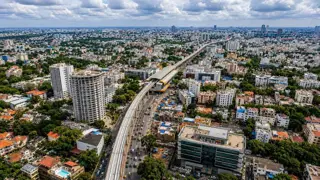
ICRA expects Bengaluru's residential area sold to grow 3-5% in FY2026 after a 52 msf first half, with new launches up 10-12% and Year-to-Sell at 1.2-1.4 years by March 2026.

ICRA said premium homes are driving India's housing sales, with luxury area up 14% and affordable down 9% in FY26. Bengaluru's ₹2-5 crore segment grew its share of sales value, CRE Matrix reported.

Knight Frank India said Pune's housing market entered measured consolidation in 2025, with sales down 3%, unsold stock at 51,653 units and four quarters to sell, as reported by Hindustan Times.

Knight Frank's H1 2026 data shows Chennai home sales up 3% with launches flat, pointing to a steadier, end-user-led market. Newer quarterly figures show volumes falling.

Chennai outperformed India’s top housing markets in 2025, with sales up 15% to 22,180 units, powered by affordability, jobs, and steady supply.

Kolkata’s housing market cooled in 2025, with sales falling 12% amid layoffs, weak sentiment, and firmer prices, even as launches rose sharply.

Kolkata's housing market shows recovery signs in 2026, fueled by RERA's stronger framework for transparency and expected home loan rate cuts. Lower EMIs will drive mid-segment demand, while 2025 consolidation aligns supply with buyers. Q1 sales rose 5% to 4,043 units amid national dip, with prices up 3%. East and South zones lead growth.

Pune's housing market faced a sharp 31% quarterly sales drop to 15,788 units in Q4 2025, the lowest in 17 quarters. From 22,940 units in Q4 2024, this downturn signals rising inventory challenges for sellers and cautious buyers amid mixed launch trends in key submarkets like NH-4 Bypass.

Thane's residential market faced a sharp 26% YoY sales drop to 16,987 units in Q4 2025, with supply falling 30% to 12,765 units. This steep decline, the worst among major cities, signals premiumization trends, affordability woes, and delayed rate cuts hitting mid and affordable segments hard despite festive demand.

Bhopal's real estate market in Central and Eastern India saw an 18% decline in housing units sold during Q1 2025, but sales value stayed flat, signaling resilient property prices. This bucks the trend in other state capitals with milder drops and rising values, underscoring unique tier-2 dynamics amid economic shifts.

ICRA reports Bengaluru's housing sales volume jumped 14% to 52 million sq ft in April-September 2025, fueled by mid-income and luxury demand. Steady H2 sales and 3-5% FY2026 growth projected amid resilient market trends and shifting buyer preferences toward premium homes.

Kerala's real estate market thrives in 2025, but Trivandrum sees a -1.3% quarterly and -4.8% annual price drop in Q4 FY25 per NHB data. Government's Life Mission scheme, aiding 595,536 beneficiaries with 462,412 homes built, fuels statewide residential demand despite local dip. Experts eye recovery ahead.

Kolkata's housing sector thrived with an 8% year-on-year price rise in Q3 2025, per Knight Frank, selling 4,374 units amid India's slowdown. It outperformed Mumbai's 7% and Pune's 5%, driven by end-user demand and steady sales, positioning the city as a resilient market hub for buyers and investors.

Despite a nationwide slowdown in housing sales, Kolkata posted a 4% year-on-year increase in Q3 2025, according to ANAROCK data. Only Kolkata and Chennai showed growth, with Chennai surging 33%, while major cities like NCR, MMR, Bengaluru, and Hyderabad experienced declines, underscoring regional market resilience amid economic pressures.

The JLL-NAREDCO report reveals a dramatic rise in housing sales in Mumbai and Pune, doubling to 105,332 units from 2022 to mid-2025, as premium homes dominate launches at 59%, while affordable options dwindle, urging policy interventions. (158 characters)

Luxury housing sales in Delhi-NCR rose 9% in H1 2025 over the previous year, boosting the region's share of total sales value to 26% from 23%. This growth reflects robust demand for premium residential properties amid a thriving real estate market.

PropEquity data shows Thane's housing sales dropped 28% YoY to 14,877 units in Q3 2025. Maharashtra cities including Mumbai, Pune, and Navi Mumbai saw significant contractions while southern markets grew.

Mumbai's real estate market puzzles analysts: record property registrations in H1 2025 contrast with a 34% plunge in housing sales. This paradox highlights unique dynamics of pricing, supply, and buyer psychology.
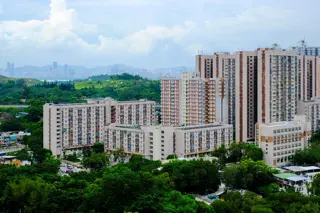
Official K-RERA data shows Thiruvananthapuram registered 2,987 residential units, surpassing Ernakulam's 2,864 for the first time, driven by NRI demand and infrastructure growth.

Pune dominated India's residential market in H1 2025, selling 44,000 units worth ₹32,800 crore, driven by surging demand for mid-range homes despite 27% price increases.

Bengaluru's housing market shows signs of cooling as sales drop 8% year-on-year while property prices surge 12%, creating opportunities for cautious buyers.

Pune’s residential market saw an 8% annual sales decline in 2025 despite lower interest rates, as rising prices (7.3% YoY) and 'sticker shock' dented affordability. Developers face pressure to adjust strategies amid falling new launches (-10.3%) and slowing demand in mass segments.

Lucknow's residential sector bucks national trend, recording a 25% rise in sales (1,301 units) and 48% value jump to ₹1,797 crore in Q1 2025, driven by infrastructure upgrades and employment growth.
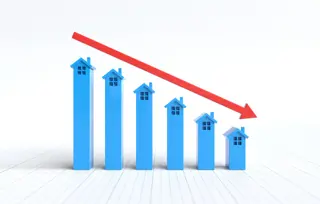
Navi Mumbai's housing market saw a 17% YoY sales decline and 56% drop in new launches during Q2 2025, reflecting broader real estate corrections despite infrastructure upgrades like MTHL. PropEquity data highlights cautious developer strategies amid economic pressures.
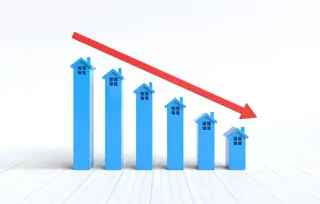
In Q1 2025, Bhopal's housing sales dropped 8%, mirroring an 18% regional fall in Central & Eastern India, despite a 6% rise in sales value in top tier 2 cities across India.