
Property prices in North and East Bangalore are surging due to their proximity to IT hubs and key infrastructure projects, benefiting from the city's 12% year-on-year increase, with premium developments leading new launches in these vibrant areas.

Knight Frank's Q2 2025 Prime Global Cities Index places Bengaluru 4th globally with 10.2% annual prime property growth, surpassing Mumbai and Delhi. Tech wealth creation and constrained luxury inventory drive this outperformance against a global average of 2.3% growth.
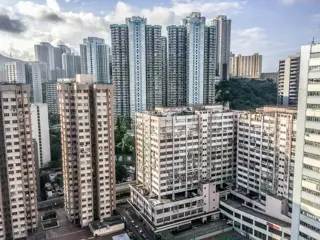
Bengaluru's rental market cools significantly with 3BHK apartments seeing 25-30% rate cuts from ₹75,000 to ₹35,000-₹55,000 due to economic uncertainty and hybrid work trends.

Bengaluru's newly launched Yellow Line connects RV Road to Bommasandra, promising significant real estate growth in Electronic City with 10% price increases expected.

Bengaluru's housing market shows signs of cooling as sales drop 8% year-on-year while property prices surge 12%, creating opportunities for cautious buyers.

Peripheral and South Bangalore face price adjustments due to high inventory and EMI pressures, while prime areas maintain stability. Infrastructure-driven North may see moderate growth in H2 2025.

Bangalore’s real estate market is rapidly transforming as blockchain and AI-powered tools streamline transactions and enable virtual home viewings, disrupting traditional buying processes.

Bangalore’s real estate market witnesses rapid growth in smart and eco-friendly housing demand, with builders adopting solar energy, IoT automation, and green certifications to meet sustainability preferences. Key features include energy-efficient lighting, rainwater harvesting, EV charging infrastructure, and net-zero energy homes, shaping the 2025 housing landscape.

Bangalore's outskirts witness rising demand for flexible plotted developments and self-contained integrated townships, driven by infrastructure projects boosting connectivity and amenities. Experts predict significant property value increases in peripheral zones over the coming years.

Bengaluru's residential property market has witnessed a remarkable 79% price surge over five years, leading all Indian metros and reflecting strong demand amid reduced unsold inventory.
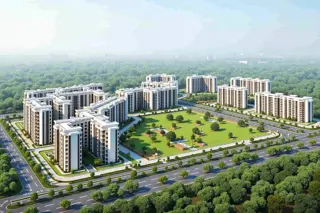
Bengaluru developers shift focus to mega integrated townships, with 2024 projects showing a 25% rise in residential units. Emphasizing work-live-play models, these developments target Sarjapur Road and Whitefield, addressing urban congestion while prioritizing premium amenities and connectivity.

The upcoming 463 km Mysore-Chennai High-Speed Rail corridor is set to revolutionize connectivity between key southern cities, boosting property values and attracting investors. With reduced travel time to just 1 hour 10 minutes, this infrastructure project may transform real estate dynamics in Karnataka and Tamil Nadu.

Bengaluru’s gated communities see stronger price growth than non-gated properties, driven by security, amenities and evolving buyer preferences towards lifestyle-centric living. With increasing demand in South Bangalore and Whitefield, these projects offer premium features, legal compliance and sustainable designs appealing to high-end buyers.

North Bangalore emerges as India's premier real estate hotspot, accounting for 33% of Bengaluru's residential launches in 2024. Driven by tech parks, aerospace hubs and infrastructure upgrades, areas like Devanahalli, Yelahanka, and KIADB Aerospace Park.
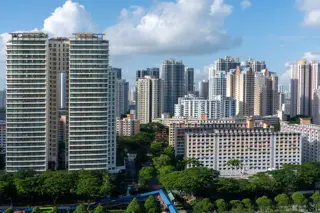
Bengaluru’s luxury housing market surged with Rs 1,000 crore in FY25 sales (up 59%), while mid-segment homes declined from 29% to 22% market share as affordability challenges mount. CXOs, founders, and global investors drive demand for premium lifestyle properties over budget-friendly options.

Bengaluru's real estate prices continue rising despite market concerns, with areas like JP Nagar seeing values double since 2016. Sustained tech demand and limited land drive growth, defying expectations of a market correction.
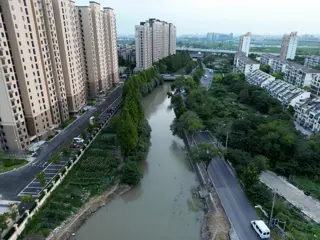
BBMP’s mandatory digital property certification is disrupting Bengaluru’s residential real estate, causing registration delays, tax payment complexities, and real estate market slowdowns despite its promise of transparency and efficiency.

Bengaluru’s Gen Z and Millennials increasingly choose homeownership over renting due to rising rents, stable incomes, and shifting financial priorities. First-time buyers’ median age has dropped from 42 to 34 in three years, signaling a transformative real estate landscape.
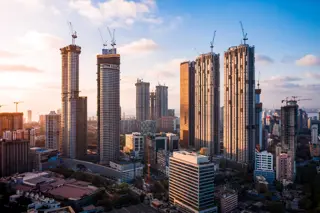
BDA Announces Mid-March Auction of 145 Prime Sites Across Bengaluru: Corner and Intermediate Plots in Hebbal, Nagarabhavi, HSR Layout, and Koramangala. Online Bidding to Start Soon with ₹4 Lakh EMD; High-Value Sites in Developed Areas Target Investors Seeking BDA-Certified Landholdings.

Analysts predict flat residential demand in Bengaluru for 2025, while commercial real estate thrives. Northern and eastern micro-markets emerge as key growth areas driven by metro connectivity and infrastructure improvements. New vertical development strategies adapt to land scarcity, and developers adopt innovative pricing models to sustain buyer interest.
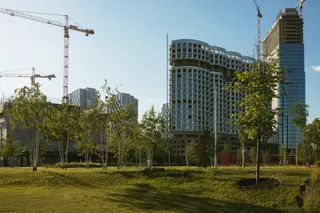
Karnataka mandates rigorous green building regulations in Bengaluru, enforcing energy-efficient designs, sustainable materials, and reduced carbon footprints for all new constructions while introducing incentives for compliance.
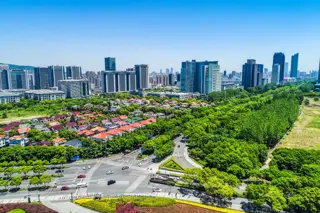
North Bangalore’s luxury housing market near Kempegowda International Airport surges, driven by IT hubs, infrastructure growth, and high-end project launches.
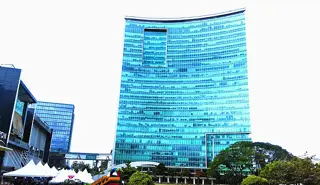
Whitefield's Brigade TechPark reaches 100% occupancy, signaling strong post-pandemic growth in Bengaluru's commercial real estate sector with rising demand for office spaces.

The recently operational 3.14-km Green Line extension connects Nagasandra to Madavara (BIEC), enhancing accessibility and property demand in Bangalore’s northwest corridor.

Bangalore introduces an AI-powered system to enhance property valuation accuracy and transparency, impacting property taxation. This initiative aims to streamline assessments, benefiting residents and the municipality alike.