
The JLL-NAREDCO report reveals a dramatic rise in housing sales in Mumbai and Pune, doubling to 105,332 units from 2022 to mid-2025, as premium homes dominate launches at 59%, while affordable options dwindle, urging policy interventions. (158 characters)

The five-day Namah Nashik Home Exhibition by CREDAI Nashik Metro concluded with Rs 100 crore sales from 57 flats and 50 plots. Over 3,000 genuine leads secured, projecting additional Rs 200 crore business in coming months through festive season demand.

Rohan Corporation announces 15 mega projects launching in Mangalore for 2025, featuring Rohan City and Rohan Marina One. These developments prioritize smart infrastructure, sustainable urban planning, and tech-integrated living while targeting Karnataka's growing real estate market.

Chennai's housing market surged 24% QoQ with 5,660 units sold in Q2 2025, defying a 20% national sales decline. Strong infrastructure growth, mid-segment dominance, and RERA compliance drive resilience as other metros face correction pressures amid geopolitical tensions.
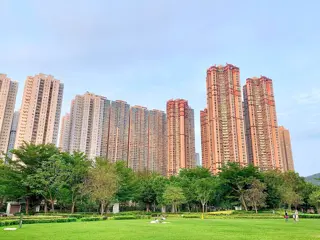
Angikaar 2025 initiative launched September 9, 2025 accelerates PMAY-U 2.0 targets through nationwide outreach. Fast-tracks 1.2 crore sanctioned units, boosts Ahmedabad's affordable housing supply for EWS/LIG groups via door-to-door drives and scheme convergence.
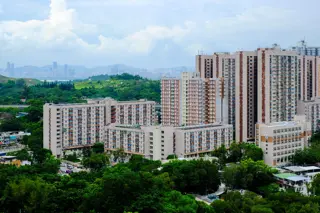
Thane's Naupada and Pokhran 2 now offer 1BHK units (400-450 sq ft) at ₹1 crore, providing budget-friendly options compared to Mumbai. Prime locations with metro connectivity attract first-time buyers and investors seeking value-driven investments in thriving residential hubs.
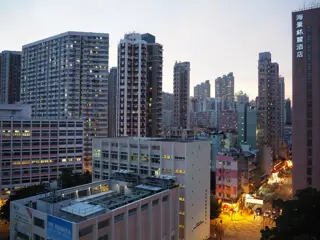
Navi Mumbai's real estate landscape is transforming rapidly with Ulwe, Panvel, Kharghar Extension, Taloja, and Dronagiri emerging as top investment zones for 2025. Driven by metro connectivity, airport proximity, and infrastructure projects, these areas offer 10-18% annual growth potential.
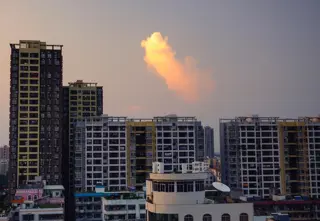
Odisha government launches 'Greater Bhubaneswar, Better Bhubaneswar' initiative with ₹14-50 lakh homes for EWS and MIG families through PPP model, easing sky-high property costs in state capital.

Pradhan Mantri Awas Yojana (PMAY) drives Indore's affordable housing boom, offering ₹2.67 lakh subsidies for 1 BHK units. Eligible EWS/LIG families gain ownership, while investors target Rau and Neemuch projects under extended 2025 deadline.

Madhya Pradesh's Urban Transformation Summit 2025 in Bhopal unveils visionary infrastructure plans including metro expansion, smart cities, and 10 lakh affordable homes to accelerate the state's trillion-dollar economy roadmap through sustainable urban growth strategies.

Eldeco Group acquires land in Ludhiana, Greater Noida, and Sonepat for Rs 230 crore, planning to launch Rs 5,000 crore projects with HDFC Capital partnership.
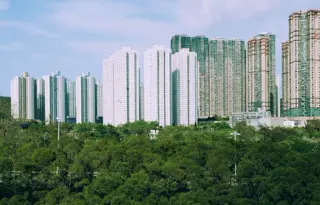
IGBC's 32nd chapter launched in Ranchi marks Jharkhand's first green building council, promoting sustainable construction and climate-resilient infrastructure development.
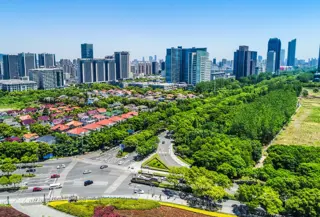
Odisha's cabinet approved an 800-acre New City project near Bhubaneswar with Rs 8,179 crore investment, featuring Singapore-planned infrastructure, MICE facilities, and transit-oriented development to boost housing and commercial growth by 2036.

Following successful completion of 332-flat Prathyasha complex, Kerala government launches three new housing projects totaling 260 flats for coastal fisherfolk communities.
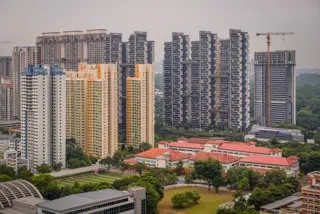
Government housing initiatives deliver over 18,000 affordable units in Vadodara, forcing private developers to slash prices and reshape the entire real estate market.
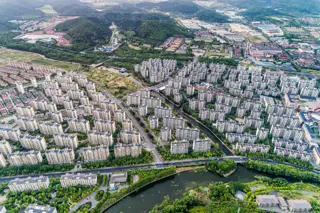
Madurai's residential property market now offers affordable entry-level options starting at ₹4000 per square foot, positioning the temple city as South India's emerging investment hub.

Thane's real estate market witnesses growing preference for under-construction properties as buyers seek luxury amenities at affordable prices, avoiding Mumbai's premium rates.

Young investors are choosing Faridabad for its affordable pricing, smart home features, and eco-friendly developments that promise both rental income and capital growth.
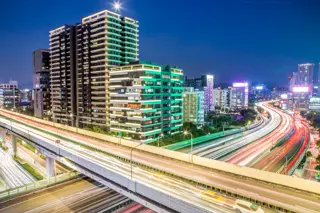
Bhopal's real estate market transforms into a lucrative investment hub through Smart City initiatives, offering 8-10% annual returns and affordable entry prices in 2025.

Government initiatives and financial accessibility drive surge in affordable housing projects across Trichy's suburban areas, attracting middle-income buyers and developers.
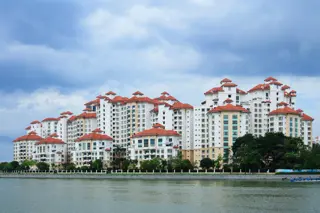
Karuppayurani suburb witnesses surge in 2BHK-3BHK demand driven by affordability, infrastructure proximity, and DTCP developments attracting first-time buyers.
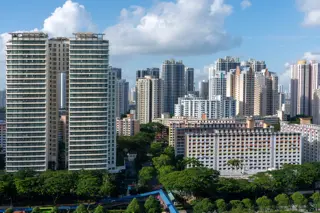
The completion of the Mumbai Trans Harbour Link and the 57% progress of Navi Mumbai International Airport are revolutionizing connectivity, sparking real estate growth in Navi Mumbai's suburbs.

Thane's residential market posts highest-ever Q1 FY26 performance with 3,130 homes sold, driven by budget-friendly prices and skyscraper living. Demand remains strong despite price hikes, as infrastructure upgrades and affordability compared to Mumbai suburbs attract buyers.

Trivandrum's real estate market surges in 2025, driven by IT growth, affordable housing, NRI investments, and infrastructure projects. Discover emerging trends, market dynamics, and investment opportunities in Kerala's capital.

Kozhikode's prime locations like Mavoor Road and West Hill are experiencing 6-8% annual price appreciation driven by improved infrastructure and proximity to key hubs. Average property prices range from ₹3,800 to ₹6,000/sq ft, with premium areas commanding higher rates due to demand for luxury amenities.