Mumbai's rental market undergoes transformation as tenants prioritize larger spaces and wellness amenities, driving luxury location demand with 7-9% growth in H1 2025.

Co-living spaces in Faridabad are reshaping urban housing for students and professionals, offering affordable, flexible alternatives with community-focused amenities.

Discover lucrative student accommodation investment opportunities near IIT/IIM campuses with 15-18% yields, covering PG conversion strategies, management tips, and rental frameworks.

Indore's IT parks and academic institutions drive housing innovation, spurring student housing models, apprenticeships, and developer responses tailored to urban professionals.

Explore actionable strategies to boost rental yields in Chennai through smart location choices, effective tenant screening, and proactive property management amid the city's rental surge.

Hyderabad’s real estate shifts toward spacious living amid budget constraints. Explore apartment configurations, price trends, and investment potential across price brackets in 2025.

Explore how IT park expansions, job creation and evolving co-living demand near VIT University reshape Vellore's rental landscape, with targeted strategies for investors.
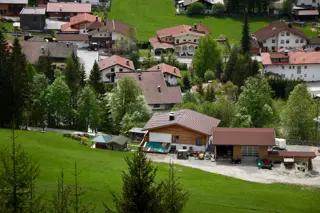
Explore Nainital’s emerging sustainable housing trends, including eco-certified homes, rainwater harvesting projects, and energy-efficient designs driving investor interest amid supportive government policies.

Discover actionable strategies for selecting Vellore properties optimized for remote work, featuring strong broadband, dedicated home offices, and modern amenities tailored to professionals and students.

Vellore’s educational hubs drive demand for shared living solutions, blending PG accommodations and co-living models to cater to students’ and professionals’ needs for affordability, community, and flexibility. From budget-friendly PGs near colleges to tech-driven co-living spaces, Vellore’s real estate is evolving to meet youthful aspirations.

Investigating Vadodara's shared living boom, combining affordability with micro-unit designs to address urban migration, student housing demand, and developer innovations near academic centers through tech-enabled solutions.

Explore the rising demand for co-living spaces in Chandigarh, driven by students and professionals, with insights on pricing models and return on investment potential.

Nashik's co-living market is surging as IT professionals seek affordable, flexible housing near tech parks. This article explores demand drivers, developer strategies, tech-tailored amenities, and ROI comparisons with traditional rentals. Discover how Nashik's co-living spaces balance cost and convenience for India's migrant workforce.

Hyderabad's co-living market is thriving with affordable shared spaces, attracting investors and professionals amid rising demand and high occupancy rates in hubs like Gachibowli.

Ahmedabad's co-living sector is gaining traction, driven by millennials and Gen Z seeking convenient, shared accommodations near IT hubs and educational institutions.

Following the rise of hybrid work policies, Panchkula sees surging demand for suburban homes, co-living spaces, and amenities, redefining property trends in Tricity.

Hybrid work models redefine urban living patterns, driving demand for micro-markets with remote-worker amenities. Explore shifting population trends, evolving housing preferences, and strategic investment opportunities in today's dynamic real estate landscape.

Exploring the investment viability of co-living spaces vs traditional rentals in Bangalore through rental yields, micro-market analysis and operational challenges.

South Goa is witnessing a surge in co-living spaces tailored for remote workers, offering high-speed internet and community amenities, catering to the growing demand for flexible work environments.

Mumbai's co-living spaces are gaining traction among young professionals due to their community benefits, flexible pricing, and legal considerations.

Explore cost-saving strategies, community benefits, and practical tips for selecting co-living spaces tailored to Kolkata’s vibrant urban lifestyle in this comprehensive guide.

Actionable strategies for South Goa landlords to optimize rentals for digital nomads, focusing on workspace design, internet infrastructure, and community-driven amenities to maximize yields.

Pune's co-working expansion reshapes rental markets, prioritizing proximity to office hubs with hybrid work trends accelerating demand for flexible living solutions.

Exploring Ahmedabad's booming student housing market, from purpose-built accommodations near Nirma and CEPT universities to co-living spaces and rental investment opportunities. Trends, demand drivers, and future insights analyzed.

Explore the rising demand for co-living spaces near DLF Cyber City, median rental trends, and developer projects catering to remote workers and millennials in Gurgaon, with insights from major providers like Commune Apartment.