
Renting a studio apartment in Bangalore is ideal for corporate professionals seeking comfort, affordability, and convenience, with a range of essential amenities in a compact space.
Find premium serviced apartments in Indiranagar, Bangalore, offering hotel-like amenities and a comfortable stay near public services. Explore the vibrant neighborhood with easy access to transportation, dining, and entertainment.

Buying land in India involves property registration fees and stamp duty, ranging from 7% to 10% of the property's cost. These fees vary by state, property type, location, and owner demographics, with women often receiving discounts. Online calculators simplify the process of estimating these costs.
Whitefield, Bangalore, offers numerous service apartments with hotel-like amenities and home-like environments. Consider location, amenities, pricing, and booking options when choosing a service apartment in this prominent IT hub.
Studio apartments in Bangalore offer a practical, affordable, and convenient housing solution for working professionals, especially those new to the city. They provide easy maintenance, lower furniture costs, and prime locations, making them ideal for a hassle-free lifestyle.
Service apartments in Indiranagar, Bangalore offer a comfortable, affordable, and convenient alternative to hotels. They provide amenities like kitchens, housekeeping, laundry, and 24-hour security, making them ideal for families, business travelers, and unmarried couples.
Explore the defining features of serviced apartments in HSR Layout, Bangalore, and understand their benefits compared to traditional hotels for a comfortable living experience.
Sarjapur Road in Bengaluru is a rapidly developing real estate hotspot. Excellent connectivity, upcoming metro line, and proximity to IT hubs make it an attractive investment. Despite some infrastructure challenges, the area offers diverse housing options and strong growth potential.

Buying a flat in Pune? Consider location, price, connectivity, possession date, security, legal checks, and hidden costs. Plan for your family's needs, compare prices, and ensure all necessary approvals are in place for a smooth purchase.
Smart real estate investing offers potentially life-changing financial gains. Discover key factors driving property price appreciation, including demand-supply dynamics, property features, location, and more.

Bangalore's duplex house demand is rising due to work-from-home trends and a preference for larger spaces. This article examines the pros, cons, types, and ideal locations for buying a duplex in Bangalore, offering valuable insights for potential...

Explore the top areas to buy flats in Pune for 2021, highlighting prices, connectivity, and local amenities to facilitate smart investment decisions.

Bangalore offers a variety of attractive localities for apartment seekers. From Whitefield's IT hub to Sarjapur Road's emerging potential, find the ideal location to match your preferences and budget.

Bangalore's real estate market is recovering post-demonetisation, with rising luxury and affordable housing demands driven by a growing population of HNWIs.

A recent survey reveals that home buyers in major Indian cities expect property prices to decline significantly in the coming months, as indicated by the Housing Sentiment Index.

Branded residences are gaining popularity in India, with developers partnering with international brands like Armani and Four Seasons to offer ultra-luxury living experiences to high-net-worth individuals.

Investing in suburbs offers promising returns over a longer duration, while metro cities favor short-term investments due to skyrocketing property prices.

Pre-launch properties offer excellent returns in the booming real estate market. Gurgaon leads as an investor-driven market, followed by cities like Bangalore and Mumbai. Investing early maximizes profits and builders offer attractive incentives.
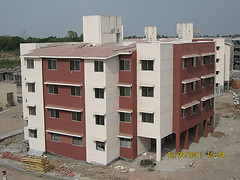
Property prices in major Indian cities appear stable, with corrections unlikely. Market conditions prevent significant decreases despite high inventory and builder resistance to cuts.

Real estate thrives in cities with high job growth, like Bangalore, Chennai, Hyderabad, and Pune, outpacing Delhi and Mumbai. This growth is driven by IT and other sectors, impacting property supply and pricing trends.

Tier 2 cities in India are attracting real estate investors due to higher returns, driven by rapid development, job growth, and IT expansion. These emerging markets offer lucrative investment opportunities compared to larger, saturated cities.
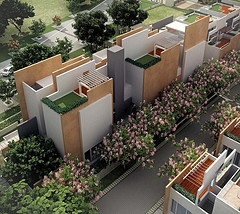
The Bangalore real estate market is impacted by unregistered agents, leading to unethical practices and significant challenges for buyers and sellers alike amid rising property prices.

NRIs face challenges selling property in India due to sales tax rules. Understanding these regulations is crucial for minimizing tax liability. Strategies include reinvesting the sale proceeds in a new property or utilizing the Capital Gain Account..

Navigating the real estate market can be complex, especially in India. This guide simplifies key real estate terms related to residential and commercial properties. Understanding these terms, from "Built-up Area" to "Percentage Lease", empowers buyers and investors to make informed decisions in the dynamic Indian property market.